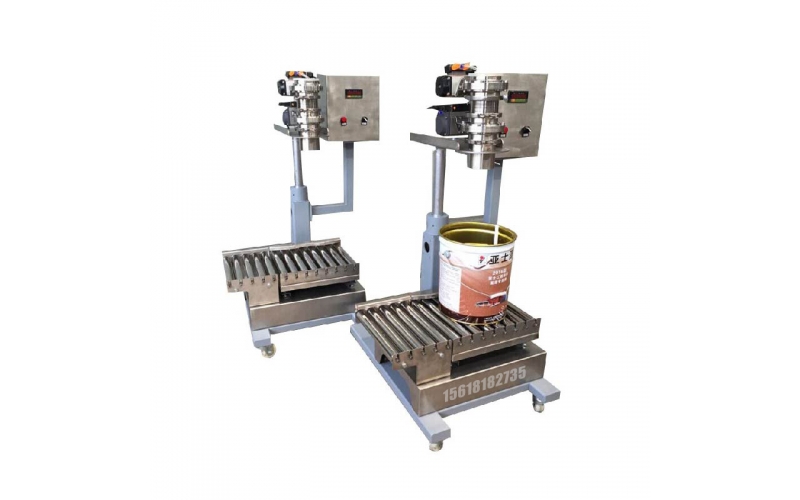
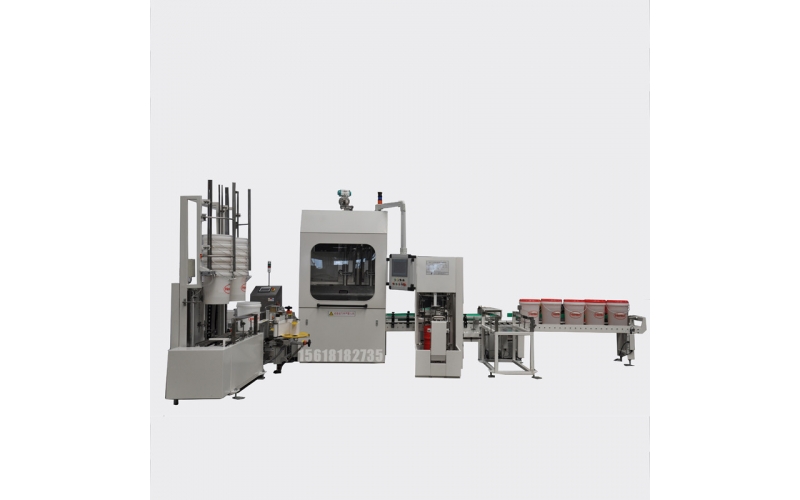
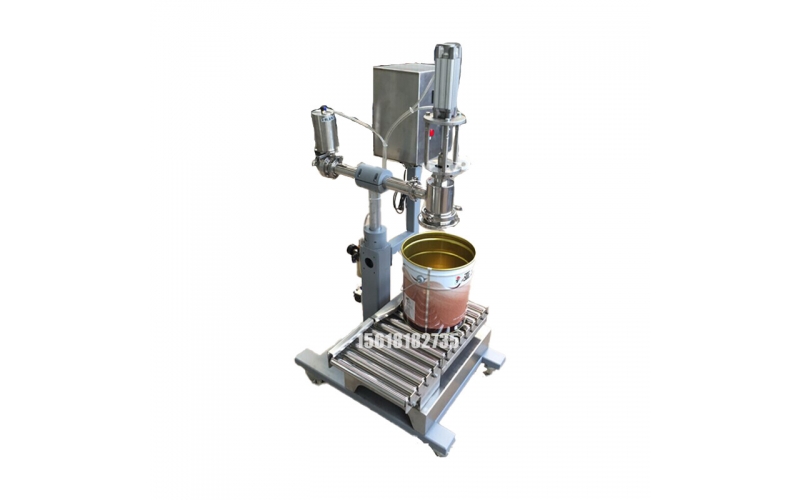
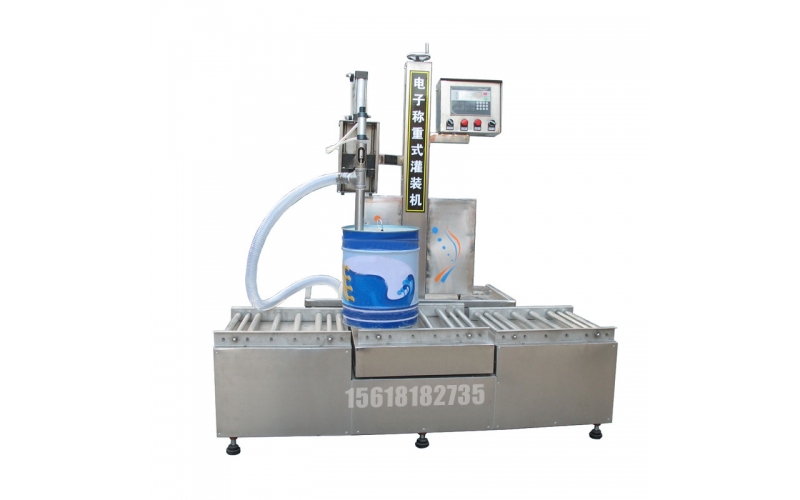
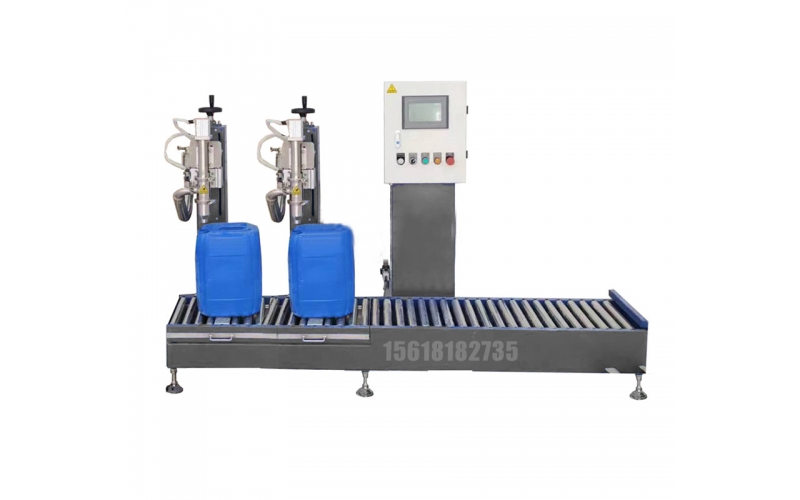
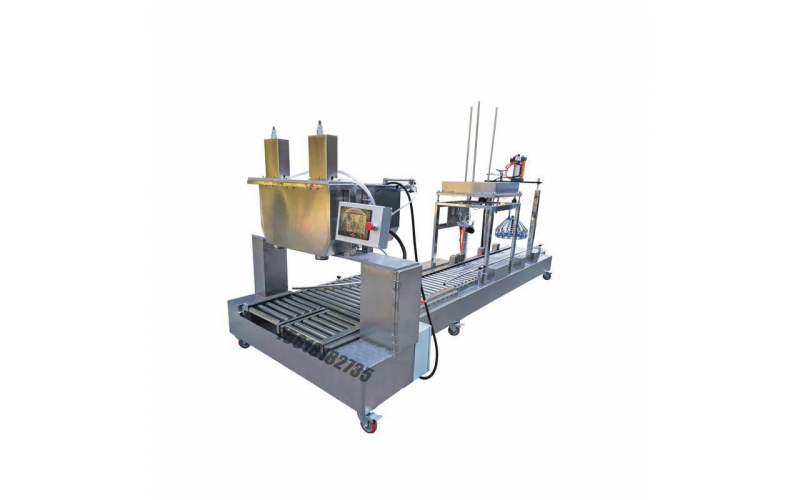
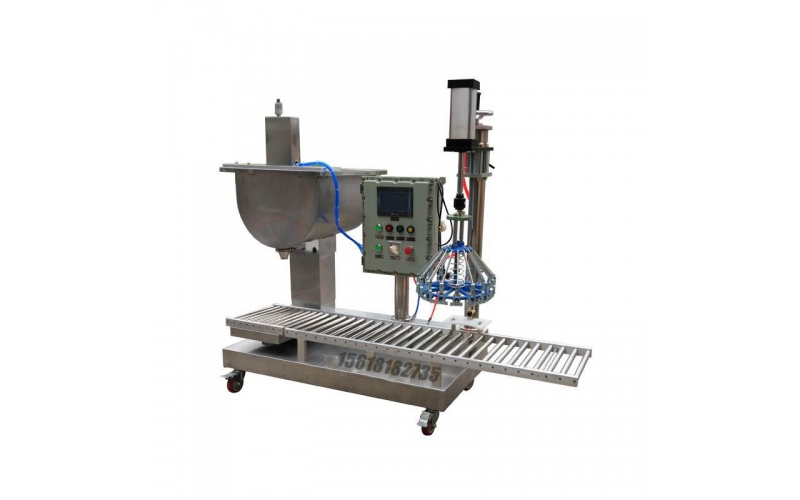
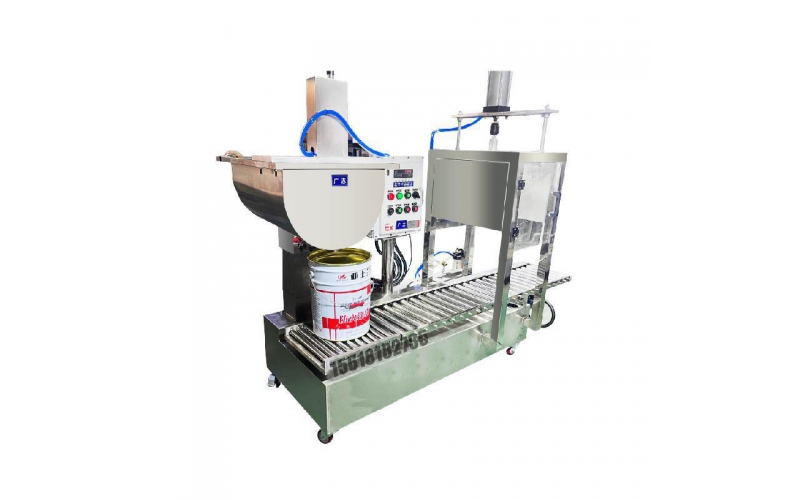
Traditional hot-fill and ordinary liquid filling machines rely on high-temperature sterilization or preservative addition to extend product shelf life, which often destroys natural flavors, damages ac
2026-08-19 admin 5
Most conventional filling machines rely on metal pistons, rotating gears, or exposed pump components that fail when handling corrosive, volatile, and chemically aggressive liquids. Standard fillers su
2026-08-19 admin 5
Most electric filling machines rely on servo motors, electric pumps, and electronic drive components that pose spark risks and safety hazards when packaging flammable, volatile, and explosive liquids.
2026-08-18 admin 7
Most traditional filling machines rely on volumetric, stroke-based, or timed metering, which fail to deliver legally compliant weight accuracy for trade-sold products. Volume-based fillers suffer erro
2026-08-18 admin 8
Most conventional top-down filling machines release liquid from high nozzles, causing severe turbulence, splashing, and excessive foam during high-speed production. This disruptive flow agitation dama
2026-08-18 admin 7
Most conventional filling machines calculate dosage based on fixed volume, stroke length, or liquid level, which struggle to maintain accuracy when material density, temperature, or fluidity fluctuate
2026-08-17 admin 5
Most standard filling machines rely on gravity, pressure, or mechanical displacement to dose liquids, which often generate excessive foam, oxidize delicate ingredients, or cause splashing during packa
2026-08-17 admin 5
For large-scale liquid manufacturing facilities pursuing maximum output and stable operational consistency, linear filling equipment often fails to meet high-volume production demands due to limited s
2026-08-17 admin 8