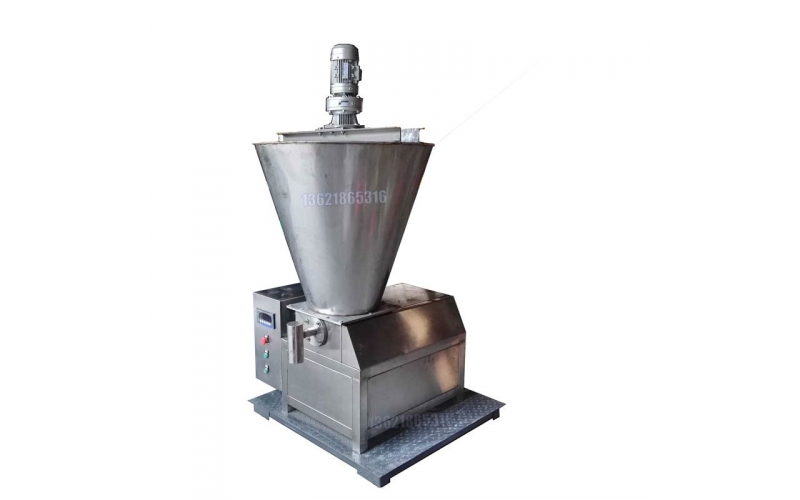
Most primary packaging equipment focuses on film wrapping, blister sealing, or pouch filling, yet they cannot complete final carton box packaging for retail distribution. Traditional manual cartoning
2026-09-03 admin 6
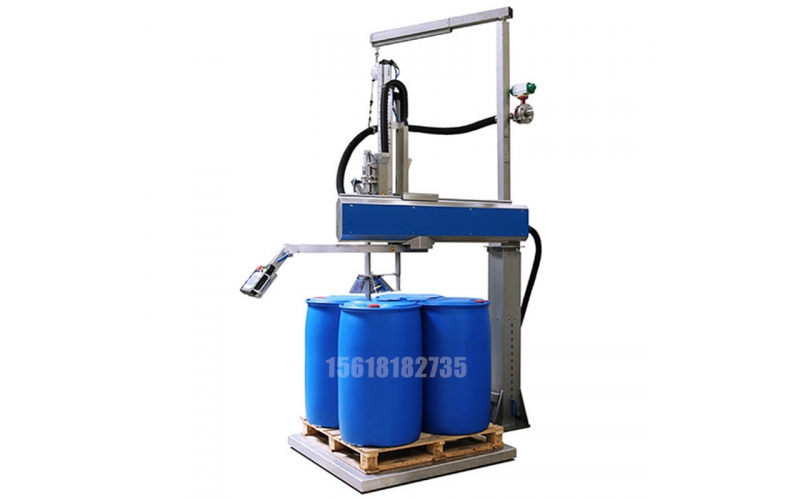
Most industrial filling machines rely on volume or weight metering to control dosage, which struggles with foamy, low-viscosity liquids and transparent retail bottles. For beverages, vinegar, soy sauc
2026-09-02 admin 8
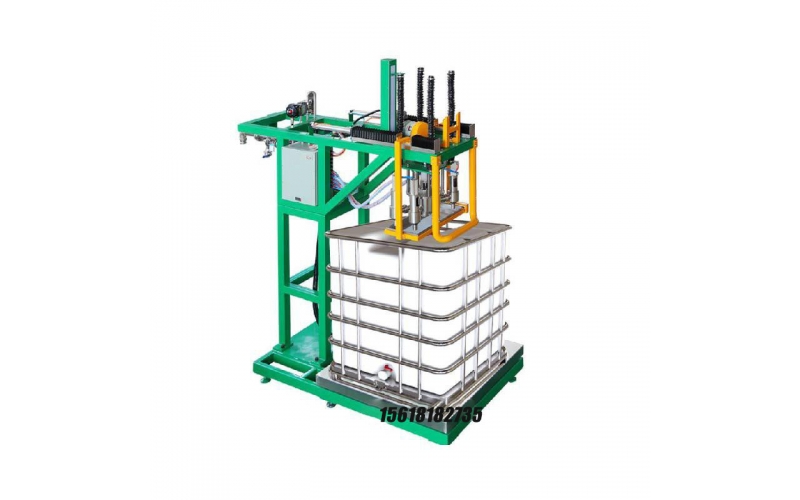
Fully automatic filling lines dominate large-scale industrial manufacturing, yet they come with high equipment costs, large space occupation, and complex commissioning requirements. For small factorie
2026-09-02 admin 7
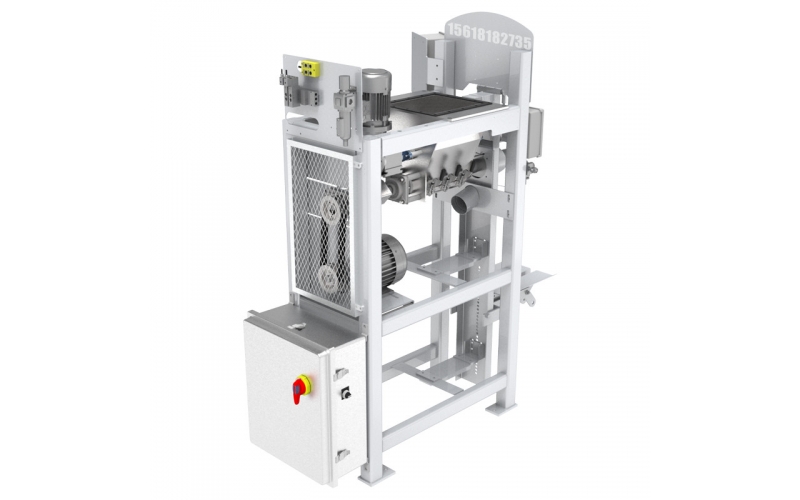
Most flexible film packaging machines focus on bag and shrink wrapping but cannot meet formal box packaging requirements for commercial retail, pharmaceutical, and cosmetic products. Traditional manua
2026-09-02 admin 3
Traditional filling machines rely on mechanical volumetric displacement, gravity balance, or pressure timing to complete liquid dosing, which struggle with dynamic production fluctuations. Changes in
2026-09-01 admin 6
Most standard filling machines struggle with medium to high-viscosity liquids that feature uneven fluidity and suspended fine particles. Gravity fillers rely on natural flow and fail to deliver stable
2026-09-01 admin 5
Many general packaging devices are designed for irregular goods, liquid materials, or bundled products, lacking targeted optimization for small, dry, free-flowing granular items. Traditional manual pa
2026-09-01 admin 6
Traditional packaging workflows rely on separate machines for bag forming, product filling, and sealing, leading to fragmented production lines, frequent material waste, and inconsistent packaging qua
2026-08-31 admin 6