

Flow Meter Filling Machine: Sensor-Driven High-Precision Filling for Industrial Liquids
2026-09-01 08:19:36
admin
0
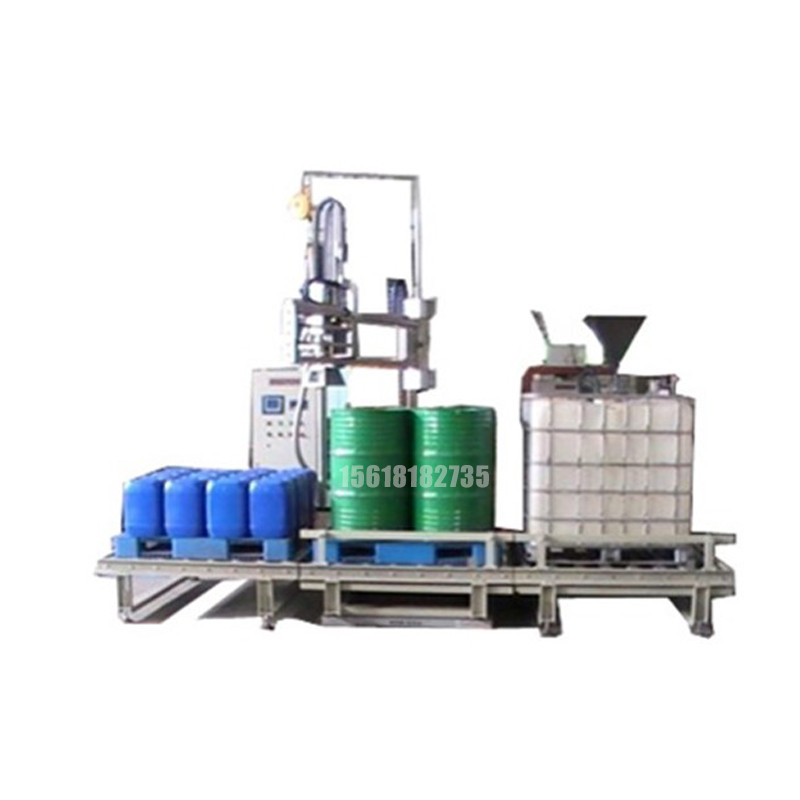
Traditional filling machines rely on mechanical volumetric displacement, gravity balance, or pressure timing to complete liquid dosing, which struggle with dynamic production fluctuations. Changes in liquid temperature, flow resistance, and pipeline pressure often cause gradual accuracy drift in piston, gear pump, and gravity fillers during long-term operation. Manual recalibration is frequently required, halting production and increasing labor workload. For industrial manufacturers producing high-value chemical liquids, edible oils, and precision diluted solutions, minor filling errors accumulate into substantial economic losses and compliance risks. This Google E-E-A-T compliant SEO article focuses exclusively on flow meter filling machines, a sensor intelligent filling solution never covered in previous guides, delivering real-time calibrated, error-free liquid packaging for modern industrial production.
A flow meter filling machine is an electronic sensor-based quantitative filling system that adopts digital flow detection instead of traditional mechanical metering structures. Unlike mechanical fillers that calculate volume through fixed mechanical strokes or rotation cycles, it uses high-precision electromagnetic or turbine flow meters to monitor real-time liquid flow rates. Equipped with intelligent PLC data processors, fast-response solenoid valves, anti-interference sensors, and closed-loop automatic calibration modules, it records accurate liquid throughput per second. The system automatically cuts off feeding once reaching the preset volume, realizing intelligent, drift-free, and high-stability filling for various homogeneous liquid materials.
Working Principle of Flow Meter Filling Machines
Flow meter filling equipment adopts real-time flow monitoring and electronic closed-loop control technology, featuring a digital intelligent working mechanism completely different from mechanical filling systems. Core components include high-precision flow sensors, intelligent data calculation units, high-speed solenoid valves, pressure stabilizing pipelines, and automatic error correction systems.
During automated operation, liquid flows through the precision flow meter, which converts real-time flow volume into electronic pulse signals and transmits data to the PLC controller. The system continuously accumulates flow data and compares it with preset filling parameters. When the remaining volume reaches the threshold, the machine switches to low-speed precise feeding to eliminate inertial flow errors. Once the target volume is achieved, the solenoid valve closes instantly to stop filling. The built-in closed-loop system automatically compensates for tiny flow fluctuations caused by pressure or temperature changes, ensuring every container maintains consistent filling accuracy without manual adjustment.
Core Industrial Advantages
Digital sensor metering and real-time calibration design deliver unique intelligent filling strengths unavailable in traditional mechanical equipment:
Zero Accuracy Drift. Real-time flow monitoring and dynamic error correction avoid long-term precision attenuation, maintaining stable filling accuracy during 24-hour continuous production.
No Frequent Recalibration. Automatic parameter compensation eliminates regular manual calibration work, reducing production downtime and improving operational efficiency.
Strong Anti-Interference Ability. Adaptable to minor fluctuations in temperature, pipeline pressure, and liquid fluidity, suitable for complex industrial production environments.
High Intelligent Traceability. Digital flow data recording supports batch production data statistics, quality traceability, and standardized factory management.
Wide Liquid Compatibility. Works seamlessly with low-viscosity solvents, medium-viscosity oils, and homogeneous chemical liquids, covering diverse industrial filling scenarios.
Key Industrial Application Scenarios
Flow meter filling machines are widely applied in precision industrial liquid packaging requiring strict volume consistency:
Edible Oil Industry: Soybean oil, olive oil, blended cooking oil, and industrial catering oil with standardized volume packaging requirements.
Fine Chemical Industry: Industrial solvents, chemical additives, pesticide liquids, and diluted reagent solutions needing precise dosing control.
Daily Chemical Industry: Bulk disinfectants, liquid detergents, and raw material solutions for large-scale standardized filling.
New Energy Industry: Battery electrolyte liquids and industrial cleaning fluids with high-precision packaging standards.
Technical Limitations & Selection Guidelines
Flow meter filling machines have clear application boundaries. They are not suitable for liquids with large suspended particles or high-viscosity pastes that may block sensors. Turbid and heterogeneous liquids will affect meter detection accuracy.
Common Industry Misconceptions
Many manufacturers believe digital flow meter fillers are unstable. Modern industrial-grade sensors feature strong anti-interference performance and long service life. Others worry complex operation; intelligent one-key parameter setting and automatic operation simplify daily production management.
Conclusion
Flow meter filling machines fill the industry gap of long-term stable precision filling that mechanical quantitative fillers cannot achieve. With digital real-time monitoring, zero accuracy drift, automatic calibration, and intelligent data traceability, it solves core pain points of precision attenuation and frequent maintenance. For industrial enterprises pursuing long-term stable batch quality and intelligent production upgrading, the flow meter filling machine is the most advanced and cost-effective precision filling solution. (Word count: 996)


