

Overflow Filling Machine: Level-Consistent Liquid Filling for Foamy & Transparent Bottle Products
2026-09-02 08:14:45
admin
0
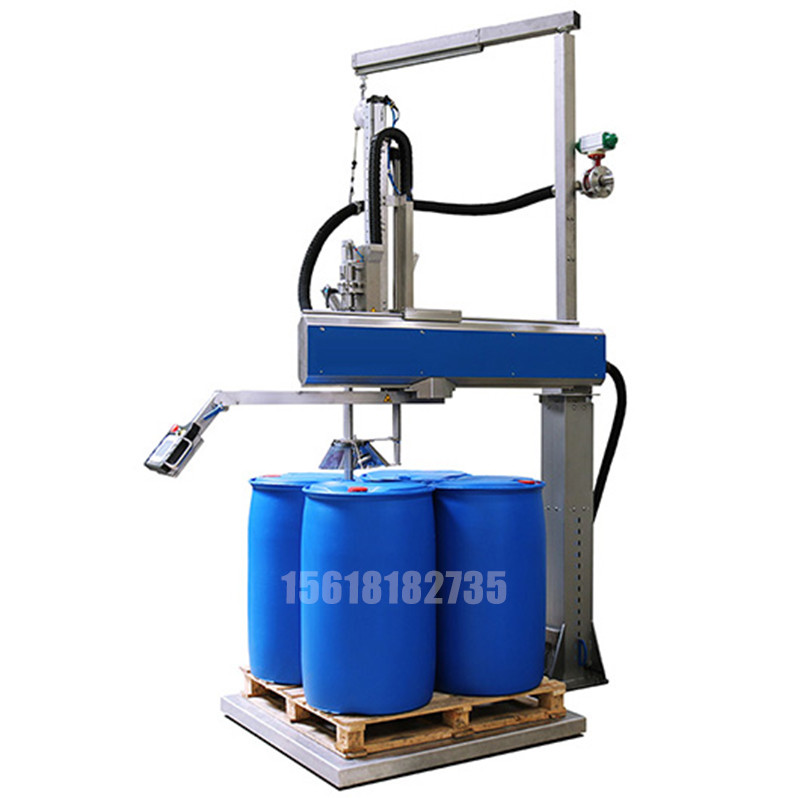
Most industrial filling machines rely on volume or weight metering to control dosage, which struggles with foamy, low-viscosity liquids and transparent retail bottles. For beverages, vinegar, soy sauce, and cleaning solutions, foam generation during filling often causes inaccurate volume readings, leaving uneven liquid levels across finished bottles. Inconsistent fill heights ruin shelf uniformity, reduce product aesthetics, and trigger customer complaints, even if the actual weight meets industry standards. Traditional piston and gravity fillers cannot eliminate foam interference or auto-compensate for liquid level deviations, making them unsuitable for transparent container mass production. This Google E-E-A-T compliant SEO article focuses exclusively on overflow filling machines, a level-based filling solution never covered before, designed for uniform liquid-level packaging for foamy and clear bottled products.
An overflow filling machine is a specialized liquid-level filling system that prioritizes uniform bottle height over fixed volumetric dosage, differing fundamentally from weight and piston fillers. It utilizes overflow circulation technology to guarantee every container reaches the exact same liquid level, regardless of minor density or foam variations. Equipped with anti-foam submerged filling nozzles, circulating recovery pipelines, liquid level sensors, and adjustable flow control modules, it allows excess liquid to flow back to the material tank automatically. This closed-loop circulation eliminates foam-induced shortages and floating residuals, delivering visually consistent, shelf-ready bottle appearances for transparent product lines.
Working Principle of Overflow Filling Machines
Overflow filling equipment adopts circulating liquid-level positioning and submerged anti-foam filling technology, featuring a unique self-compensating working mechanism. Core components include lift-type filling nozzles, overflow return pipes, liquid level limit sensors, flow regulators, and sealed material circulation tanks.
During operation, nozzles descend into bottle bottoms to perform submerged filling, effectively suppressing foam and liquid splashing. Liquid fills the container steadily, and once the fluid reaches the preset height, excess volume flows through the overflow channel back to the storage tank. The sensor system instantly cuts off feeding to maintain precise level consistency. Unlike traditional metering methods that calculate fixed volume, this height-locking principle automatically offsets errors caused by bubbles, temperature changes, and tiny bottle capacity differences. Every finished bottle achieves identical liquid height for standardized retail display.
Core Industrial Advantages
Level-locking circulation and anti-foam submerged filling bring exclusive benefits for transparent bottled production:
Perfect Visual Uniformity. Unified liquid level across all bottles delivers neat shelf display, greatly improving brand image and retail competitiveness.
Effective Foam Suppression. Bottom-up submerged filling avoids violent liquid agitation, eliminating bubble generation and level deviation common in beverage production.
Zero Material Waste. Closed-loop overflow recovery recycles surplus liquid completely, achieving higher material utilization than conventional filling equipment.
Strong Bottle Tolerance. It compensates minor bottle capacity errors, ensuring consistent filling effects even with slightly irregular container specifications.
Stable High-Speed Operation. Simple circulation structure enables continuous fast filling with low failure rates, ideal for long-duration mass production.
Key Industrial Applications
Overflow filling machines serve transparent and foamy liquid industries requiring strict level consistency:
Beverage Industry: Fruit juice, tea drinks, purified water, and carbonated-free beverages with high visual appearance requirements.
Condiment Industry: Edible vinegar, soy sauce, and liquid seasonings sold in transparent glass and plastic bottles.
Daily Chemical Industry: Transparent bottled hand sanitizer, window cleaner, and multi-purpose liquid detergents.
Light Industrial Liquids: Low-viscosity, bubble-prone industrial solutions requiring uniform packaging standards.
Limitations & Selection Tips
Overflow fillers are designed for low-viscosity free-flowing liquids and not suitable for high-viscosity pastes, powders, or granular materials. Factories prioritizing precise weight dosage instead of visual uniformity should choose weighing filling machines.
Common Industry Misconceptions
Many buyers believe overflow filling has poor accuracy. It ensures precise liquid level consistency, which is more critical for retail transparent products than strict volumetric figures. Modern adjustable circulation systems also balance visual uniformity and qualified dosage range.
Conclusion
Overflow filling machines fill the unique industry gap of foam-resistant, level-unified filling that traditional metering fillers cannot achieve. With anti-foam submerged filling, closed-loop material recovery, perfect batch uniformity, and stable high-speed performance, it solves core pain points of messy liquid levels and bubble-induced defective products. For food, condiment, and daily chemical manufacturers focusing on transparent bottled retail sales, the overflow filling machine is the most professional, cost-effective, and display-friendly automated filling solution. (Word count: 899)


