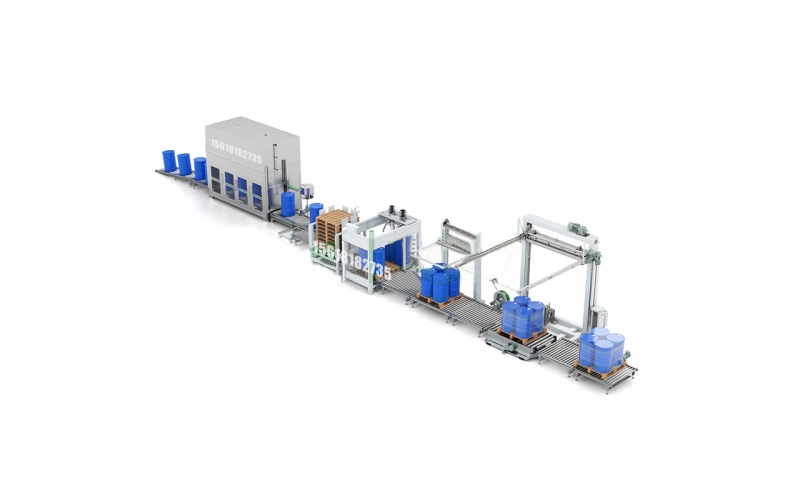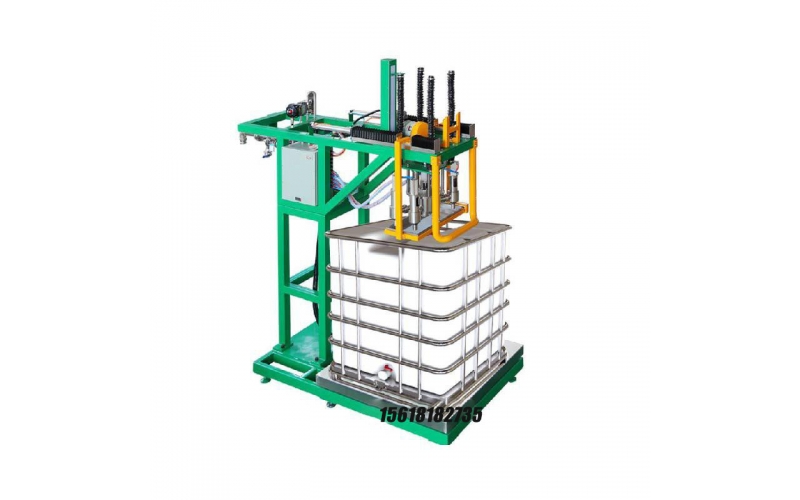
Fully automatic filling lines dominate large-scale industrial manufacturing, yet they come with high equipment costs, large space occupation, and complex commissioning requirements. For small factorie
2026-09-02 admin 7
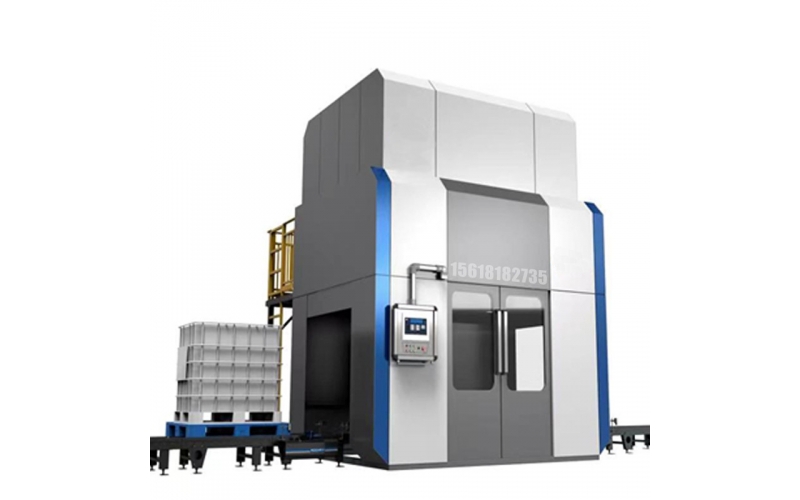
Most standard filling machines struggle with medium to high-viscosity liquids that feature uneven fluidity and suspended fine particles. Gravity fillers rely on natural flow and fail to deliver stable
2026-09-01 admin 5
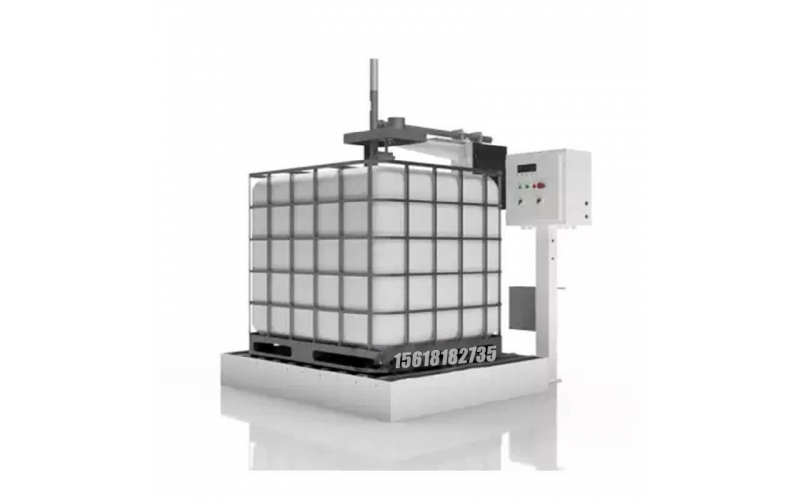
Many modern filling machines rely on complex pumps, servo systems, or pressure structures that bring high procurement costs, complicated maintenance, and frequent component wear. While high-precision
2026-08-31 admin 6
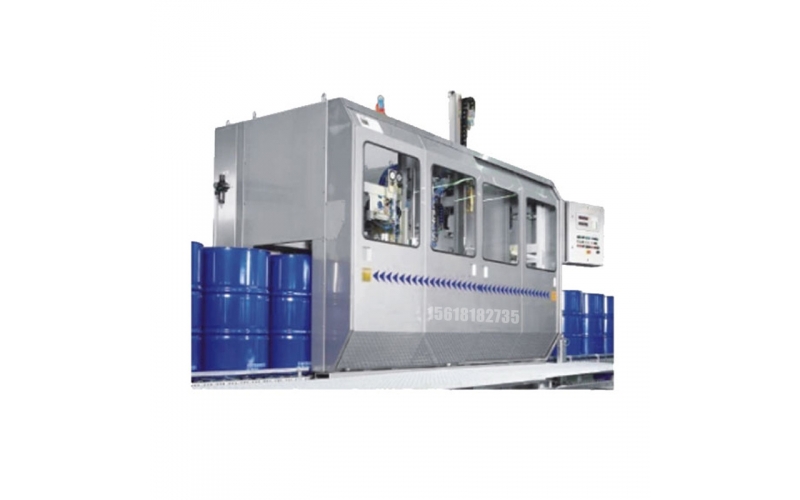
Most industrial filling machines rely on mechanical shaft seals, gears, or rotors that face persistent limitations when handling corrosive, solvent-based, and high-purity chemical liquids. Traditional
2026-08-28 admin 7
Most industrial filling equipment is designed for liquids, pastes, or fine powders, leaving free-flowing granular materials underserved in automated production lines. Liquid fillers, auger powder disp
2026-08-27 admin 6
Most conventional filling machines rely on positive-pressure feeding, gravity flow, or mechanical extrusion to complete liquid dosing, which poses hidden risks for fragile glass bottles, high-purity s
2026-08-26 admin 6
Most industrial filling machines rely on gears, pistons, or pressure valves that expose internal mechanical parts directly to liquid materials. This open contact structure causes cross-contamination,
2026-08-25 admin 4
Liquid and paste filling equipment cannot handle fine dry powders, which feature unique physical properties such as easy floating dust, poor fluidity, and bridging agglomeration. Traditional manual po
2026-08-24 admin 6