

Gravity Filling Machine: Simple, Stable & Low-Cost Liquid Filling for Industrial Production
2026-08-31 08:05:59
admin
0
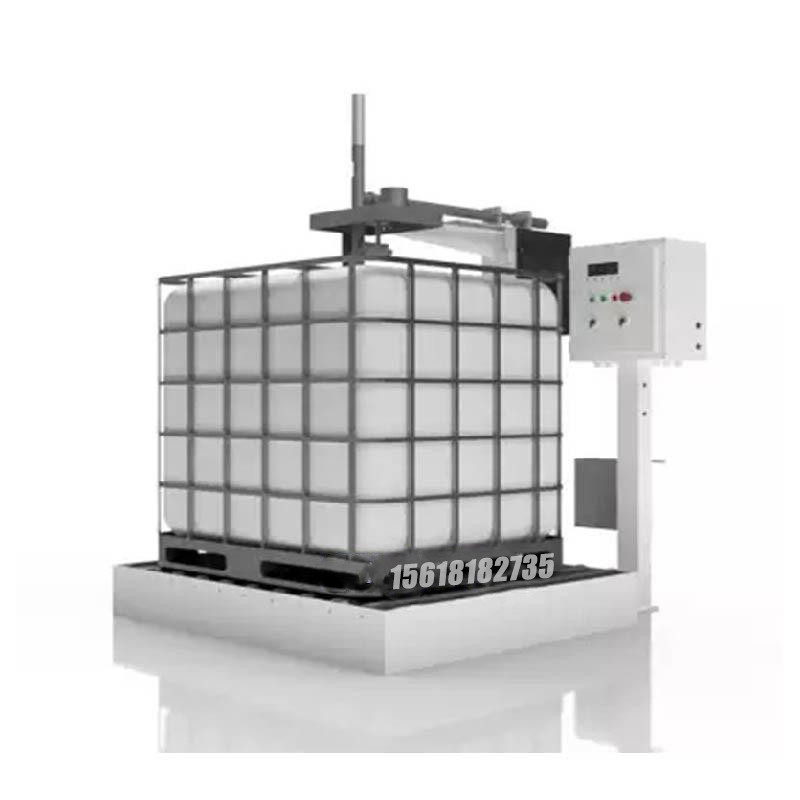
Many modern filling machines rely on complex pumps, servo systems, or pressure structures that bring high procurement costs, complicated maintenance, and frequent component wear. While high-precision pump and piston fillers suit premium viscous products, most common low-viscosity liquids such as purified water, disinfectants, and light detergents do not require over-engineered dosing systems. Overly complex equipment leads to unnecessary energy consumption, frequent downtime, and elevated operational costs for standard production lines. Many small and medium manufacturers seek reliable, low-maintenance filling solutions with stable output and affordable investment. This Google E-E-A-T compliant SEO article focuses exclusively on gravity filling machines, a cost-effective liquid filling solution never covered in previous guides, ideal for stable, efficient, and budget-friendly industrial liquid packaging.
A gravity filling machine is a traditional yet highly practical volumetric filling device that operates purely based on natural gravitational flow. Unlike pump-driven or pressure-based fillers that require mechanical force to transfer materials, it uses height difference to deliver liquids from an elevated storage tank into containers. Equipped with precision time-control valves, anti-foam nozzles, liquid level sensors, and automatic tank pressure stabilization modules, it controls filling volume accurately by adjusting valve opening duration and flow rate. Featuring a ultra-simple mechanical structure, zero pumping pollution, and low energy consumption, it is specially designed for clean, free-flowing, low-viscosity liquids, serving as the most cost-effective core equipment for standardized mass production of daily chemical and beverage products.
Working Principle of Gravity Filling Machines
Gravity filling equipment adopts natural gravitational flow and timed volumetric control technology, featuring a pure physical filling mechanism completely different from mechanical forced filling systems. Core components include elevated material storage tanks, constant-level liquid supply systems, precision solenoid valves, anti-turbulence filling nozzles, photoelectric container sensors, and PLC timing control units.
During automated operation, the system maintains a constant liquid level in the upper storage tank to ensure stable gravitational pressure at all times. When photoelectric sensors detect qualified containers in place, the PLC system triggers the filling valve to open precisely. Liquid flows smoothly through dedicated low-turbulence nozzles into containers under natural gravity, effectively avoiding foam generation and liquid splashing. The system controls filling volume strictly through preset valve opening time, ensuring consistent flow volume for every cycle. Once reaching the target volume, the valve closes instantly to cut off liquid flow, and finished containers are discharged automatically. The entire mechanical-free filling process delivers stable, clean, and repeatable filling results with minimal equipment loss.
Core Industrial Advantages
Pure gravity flow and simplified structural design deliver unique practical advantages for standard liquid production scenarios:
Ultra-Low Operational Costs. No pump, servo, or pressure components reduce equipment purchase fees, energy consumption, and daily wear loss, greatly lowering long-term production investment.
Zero Secondary Pollution. Pump-free and contact-minimal structure avoids mechanical friction debris and material contamination, ensuring clean and hygienic liquid filling.
Minimal Foam & Splash. Natural slow flow and anti-turbulence nozzles suppress bubbling and splashing, reducing material waste and keeping bottle mouths clean.
Extremely Low Failure Rate. Simple mechanical design with fewer vulnerable parts minimizes downtime and simplifies daily troubleshooting for factory teams.
Easy Cleaning & Maintenance. Smooth internal tank and nozzle structures support quick flushing and full sanitization, fully meeting food-grade and hygienic production standards.
Key Industrial Application Scenarios
Gravity filling machines dominate low-viscosity free-flowing liquid production industries:
Beverage Industry: Purified water, mineral water, plain tea drinks, and non-carbonated fruit juice with low viscosity and high hygiene requirements.
Daily Chemical Industry: Disinfectant liquid, alcohol solutions, transparent detergent, and floral water with stable fluidity.
Environmental & Chemical Industry: Light chemical solvents, diluted cleaning agents, and non-corrosive industrial thin liquids.
Food Processing Industry: Edible vinegar, light syrup, liquid flavorings, and other free-flowing food-grade liquids.
Technical Limitations & Selection Guidelines
Gravity filling machines have clear application boundaries. They only adapt to low-viscosity free-flowing liquids and cannot handle thick pastes, high-density oils, or particle-containing materials. Filling accuracy relies on stable liquid level, requiring regular tank pressure calibration.
Common Industry Misconceptions
Many manufacturers assume gravity filling offers low accuracy. Modern PLC precise timing and constant-level stabilization technology ensure consistent volumetric accuracy that meets commercial batch standards. Others think outdated design limits performance; its simplified structure guarantees higher operational stability than overcomplicated filling systems for standard liquid production.
Conclusion
Gravity filling machines fill the market gap of low-cost, high-stability standard liquid filling that complex mechanical fillers cannot match. With zero pollution, low energy consumption, minimal failure rates, and easy maintenance, it solves the pain points of high operational costs and frequent equipment failures in ordinary liquid production. For small and medium-sized factories focusing on low-viscosity liquid batch production and cost control, the gravity filling machine remains the most practical, reliable, and cost-efficient automated filling solution for modern industrial lines. (Word count: 998)


