

Vertical Form Fill Seal (VFFS) Machine: All-in-One Automated Flexible Packaging Solution
2026-08-31 08:08:07
admin
0
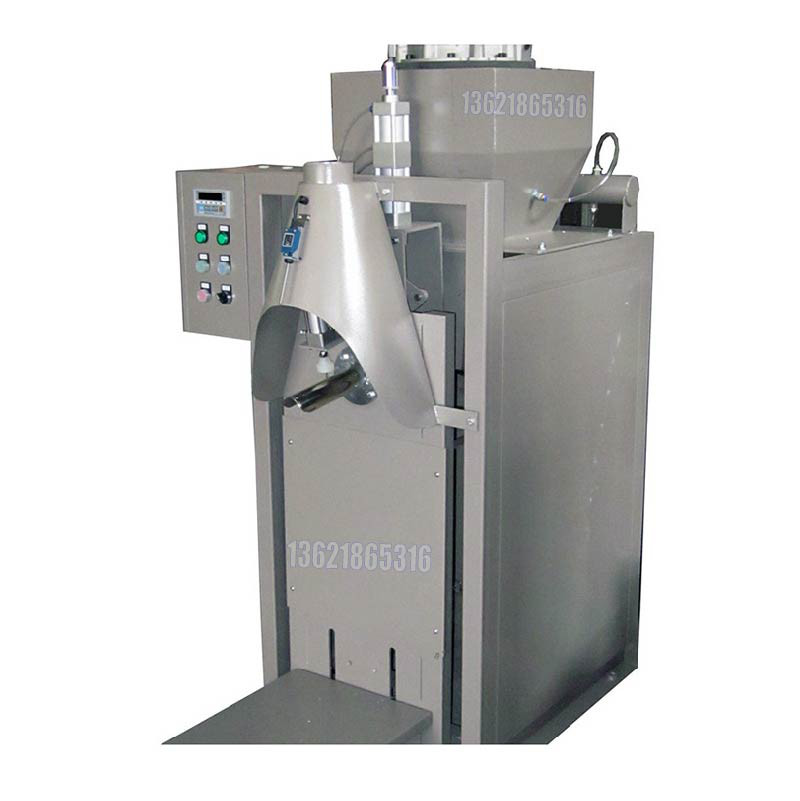
Traditional packaging workflows rely on separate machines for bag forming, product filling, and sealing, leading to fragmented production lines, frequent material waste, and inconsistent packaging quality. Independent bag making and filling equipment requires extra labor for bag sorting, positioning, and transportation, raising operational costs and limiting production speed. In addition, prefabricated pouch packaging generates excess inventory waste and cannot support flexible size adjustments for diverse product batches. For food, daily chemical, and fine chemical manufacturers pursuing high-efficiency, low-cost, and multi-specification packaging, discrete packaging equipment can no longer meet modern mass production demands. This Google E-E-A-T compliant SEO article focuses exclusively on Vertical Form Fill Seal (VFFS) machines, an integrated all-in-one flexible packaging solution never covered in previous filling machine articles, designed for continuous, stable, and cost-saving automated packaging.
A Vertical Form Fill Seal (VFFS) machine is a fully automated vertical packaging system that completes bag forming, quantitative filling, sealing, and cutting in one continuous workflow. Unlike split packaging units that operate independently, it uses raw roll film as packaging material, eliminating the need for pre-made pouches. Equipped with intelligent film tracking systems, precision dosing modules, servo synchronous sealing units, and PLC centralized control panels, it can process powders, granules, liquids, and pastes into standard pillow bags, gusseted bags, and stand-up pouches. Featuring compact structure, high integration, and strong product compatibility, it has become the core mainstream equipment for modern flexible packaging automated production lines.
Working Principle of VFFS Packaging Machines
VFFS packaging equipment adopts vertical continuous forming and synchronous filling-sealing integrated technology, realizing uninterrupted cyclic packaging different from intermittent split packaging systems. Core components include film unwinding devices, forming collars, vertical sealing assemblies, horizontal sealing jaws, precision dosing systems, and intelligent error correction modules.
During formal operation, the roller film is automatically unwound and guided through the forming collar, which flattens and folds the flat film into a cylindrical bag structure. The vertical sealing unit completes continuous edge sealing to fix the bag shape stably. After bag forming, the dosing system quantitatively releases materials according to preset parameters, accurately filling products into the vertical bag body. Subsequently, the upper and lower horizontal sealing jaws complete heat sealing and fixed-length cutting, separating finished packaging bags automatically. The whole vertical circulating process realizes zero-interval packaging, with servo synchronous technology ensuring coordinated operation of each link to avoid packaging deviation and material wrinkling.
Core Industrial Advantages
Integrated forming-filling-sealing design delivers unique cost-saving and efficient production strengths for flexible packaging scenarios:
Ultra-Low Packaging Material Cost. Using economical roll film instead of prefabricated pouches greatly reduces raw material expenses and inventory pressure, effectively lowering long-term packaging costs.
Highly Integrated & Space-Saving. One-machine multi-function design replaces multiple discrete devices, simplifying production line layout and saving valuable workshop space.
Flexible Multi-Specification Production. Fast-adjustable forming molds and parameter settings support rapid switching of different bag sizes and packaging weights, adapting to diverse product batches.
Stable & Uniform Packaging Quality. Intelligent film deviation correction and constant-temperature heat sealing technology ensure flat sealing edges, firm adhesion, and consistent bag appearance for every product.
Labor & Efficiency Optimization. Fully automated unmanned operation reduces manual intervention, eliminates human error, and significantly improves hourly packaging output.
Key Industrial Application Scenarios
VFFS machines cover diversified flexible packaging demands across multiple industries:
Food Industry: Snack granules, nuts, seasoning powders, grain particles, honey, and sauce pastes for daily retail packaging.
Daily Chemical Industry: Laundry powder particles, detergent pods, bath salt granules, and small-bag cleaning powders.
Fine Chemical Industry: Industrial powder additives, granular reagents, and small-dose chemical auxiliary materials.
Agricultural Industry: Seed particles, granular fertilizers, and small-batch agricultural auxiliary materials requiring sealed packaging.
Technical Limitations & Selection Guidelines
VFFS machines have clear application boundaries. They are mainly suitable for flexible film packaging and cannot process rigid containers such as bottles and cans. Ultra-large ultra-heavy packaging specifications require customized enhanced structural design.
Common Industry Misconceptions
Many manufacturers believe VFFS machines have poor sealing stability. Modern constant-temperature pressure-locking sealing technology effectively solves air leakage and loose sealing problems. Others worry complicated debugging; modular parameter memory supports one-click batch switching for simple daily operation.
Conclusion
VFFS vertical form fill seal machines fill the market gap of integrated low-cost flexible packaging that traditional split equipment cannot match. With material cost savings, high integration, flexible specification switching, and stable automated operation, it solves core pain points of high labor cost, scattered procedures, and low packaging efficiency. For medium and large manufacturing enterprises focusing on flexible bag packaging, standardized batch quality, and long-term cost control, the VFFS machine is the most practical, efficient, and reliable automated packaging solution. (Word count: 998)


