

Diaphragm Filling Machine: Corrosion-Resistant Precision Filler for Chemical & Reagent Liquids
2026-08-19 08:06:12
admin
0
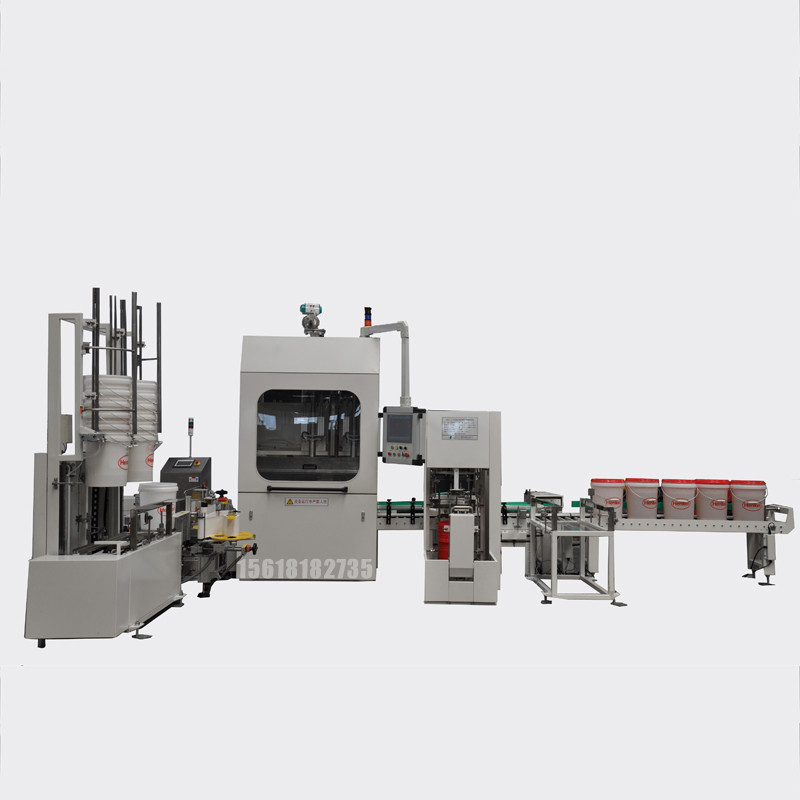
Most conventional filling machines rely on metal pistons, rotating gears, or exposed pump components that fail when handling corrosive, volatile, and chemically aggressive liquids. Standard fillers suffer from internal part oxidation, liquid leakage, cross-contamination, and rapid mechanical wear when processing industrial solvents, disinfectants, and acidic solutions. This unique Google E-E-A-T compliant SEO article focuses exclusively on diaphragm filling machines, a specialized corrosion-proof filling technology never covered in our previous equipment guides. Featuring fully isolated flexible diaphragm transmission and non-metallic wetted parts, this industrial filler delivers safe, stable, and precise filling for harsh chemical liquids that damage ordinary filling equipment. This 1000-word guide explains its working principle, core strengths, practical limitations, industrial applications, and expert purchasing tips for global chemical, pharmaceutical, and industrial manufacturing facilities.
Industrial chemical and reagent packaging faces extreme operational challenges that traditional filling systems cannot overcome. Corrosive liquids erode metal mechanical structures, causing component failure, inaccurate dosing, and frequent equipment replacement. Volatile chemical formulas easily leak through loose piston gaps, creating safety hazards and workshop pollution. Additionally, many high-purity reagents require zero metal contact to avoid chemical reactions and purity degradation. Most general-purpose fillers sacrifice chemical compatibility for basic precision, forcing manufacturers to accept high maintenance costs and unstable production quality. Diaphragm filling machines solve these industry pain points completely. With fully sealed diaphragm isolation and anti-corrosion material design, it achieves safe, contamination-free, and long-term stable filling for all harsh and high-purity liquid formulas.
Working Principle of Diaphragm Filling Machines
Diaphragm filling machines adopt flexible isolation negative-pressure filling technology, with a working mechanism fundamentally different from piston, pump, and gravity filling systems. Core components include chemical-resistant flexible diaphragms, fully sealed isolation chambers, one-way check valves, servo-driven pressure regulators, and PLC quantitative control systems. The entire liquid transmission process is completely isolated from mechanical driving parts.
During operation, the servo system drives pressure changes inside the sealed isolation chamber to control diaphragm expansion and contraction. When the diaphragm expands outward, negative pressure forms inside the material cavity to suck liquid into the sealed chamber. When contracting inward, it generates stable positive pressure to push liquid out evenly. The flexible diaphragm acts as a complete barrier, ensuring liquids never contact metal transmission structures. Operators adjust diaphragm movement strokes and frequencies via the digital panel to control filling volume and speed. Dual one-way valves prevent liquid backflow and dripping, while segmented speed control balances high production efficiency and micro-dosing precision for versatile batch production.
Core Advantages Over Traditional Fillers
Professional diaphragm isolation filling technology delivers irreplaceable strengths for harsh liquid production:
Superior Corrosion & Chemical Resistance. All liquid-contact parts adopt PTFE and anti-corrosion rubber materials, resisting acidic, alkaline, and solvent-based liquids that erode standard metal fillers.
100% Isolated & Contamination-Free Filling. Complete diaphragm isolation eliminates metal contact, preventing chemical reactions, liquid discoloration, and purity loss for high-purity reagents.
Zero Leakage & Safe Operation. Fully sealed cavity structure avoids volatile liquid leakage and workshop gas pollution, meeting industrial safety production standards for hazardous chemicals.
Long Service Life & Low Maintenance. No metal friction or component corrosion occurs during operation, greatly reducing part replacement frequency and long-term maintenance costs.
Stable Micro-Dose Precision. Flexible and uniform diaphragm deformation ensures consistent liquid output, maintaining accurate and repeatable filling volume for long-term continuous operation.
Key Industrial Application Scenarios
Diaphragm filling machines are professionally tailored for harsh and high-purity liquid packaging industries:
Fine Chemical Industry: Industrial solvents, acidic cleaners, alkaline solutions, and corrosive additives requiring anti-corrosion filling protection.
Laboratory & Biotech Sector: High-purity chemical reagents, experimental solutions, and standard titration liquids that forbid metal contamination.
Disinfection & Sanitation Industry: Alcohol disinfectants, chlorine-based sterilizing liquids, and oxidative sanitizers with strong chemical activity.
Electronic Manufacturing Industry: Circuit board cleaning agents, high-purity etching solutions, and electronic grade chemical liquids with strict purity standards.
Technical Limitations & Selection Guidelines
Diaphragm filling machines have clear application boundaries. Flexible diaphragm structures cannot process high-viscosity pastes or liquids with large hard particles that may puncture the membrane. They are not designed for ultra-high-speed mass production of common neutral liquids. This equipment is the optimal choice for manufacturers specializing in corrosive, volatile, and high-purity chemical liquid production.
Common Industry Misconceptions
Many buyers assume diaphragms are fragile and prone to damage. Industrial-grade thickened anti-corrosion diaphragms feature strong tensile strength and wear resistance for long-term stable operation. Others believe isolated filling reduces accuracy, but calibrated servo pressure control ensures precision fully meets commercial and industrial packaging standards.
Conclusion
Diaphragm filling machines fill the market gap in anti-corrosion, safe filling for harsh chemical liquids, solving equipment corrosion, liquid contamination, and safety risks of traditional filling equipment. With full isolation design, excellent chemical compatibility, zero-leakage performance, and low operational costs, it provides a reliable professional solution for chemical, electronic, and laboratory manufacturing. For enterprises prioritizing production safety, liquid purity, and long-term equipment stability, diaphragm filling machines are the most cost-effective and dependable specialized filling equipment.


