

Aseptic Filling Machine: Sterile Preservative-Free Filling System for Food, Dairy & Pharma Products
2026-08-19 08:07:31
admin
0
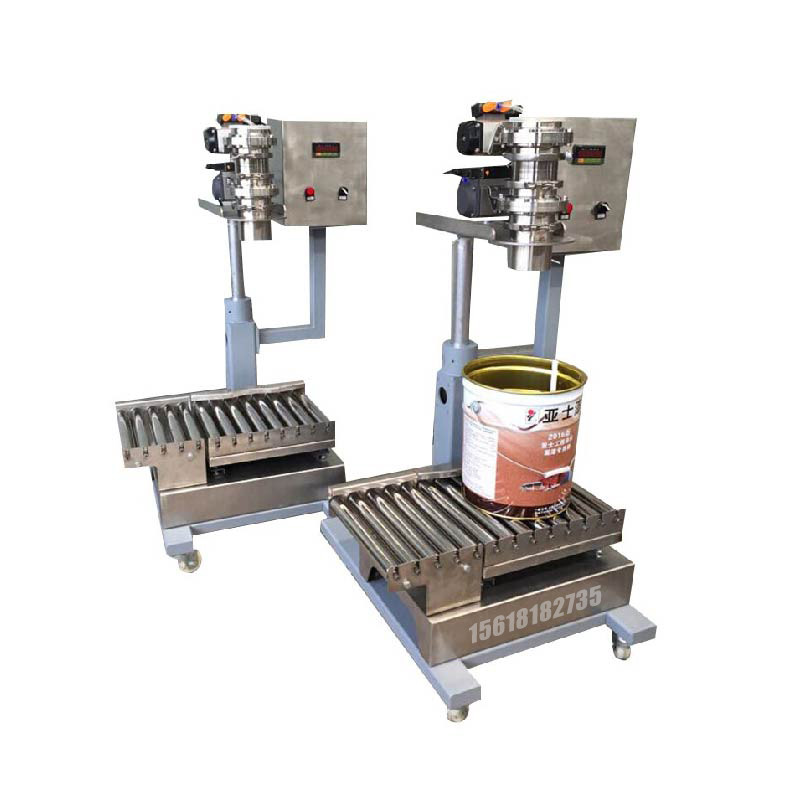
Traditional hot-fill and ordinary liquid filling machines rely on high-temperature sterilization or preservative addition to extend product shelf life, which often destroys natural flavors, damages active nutrients, and leaves chemical residues. Most standard filling lines cannot maintain a fully sterile production environment, leading to microbial contamination, short shelf cycles, and high batch rejection rates for premium food, dairy, and pharmaceutical liquids. This original Google E-E-A-T compliant SEO article focuses exclusively on aseptic filling machines, a high-grade sterile filling technology never covered in our previous equipment guides. Adopting full-process sterile isolation, UHT instant sterilization, and automated sanitization systems, this professional filler enables preservative-free room-temperature storage while retaining original product quality. This 1000-word guide elaborates on its working principle, core advantages, technical limits, industrial applications, and professional purchasing tips for global high-standard manufacturing enterprises.
Modern consumers and international food safety standards increasingly demand preservative-free, fresh-tasting, and clean-label liquid products. However, conventional filling processes face unavoidable contradictions between sterility maintenance and ingredient protection. High-temperature hot filling degrades vitamins and natural aromas, while low-temperature filling without sterile isolation easily breeds bacteria and molds. Manual sterile operation relies heavily on worker experience, causing unstable batch quality and low production efficiency. Aseptic filling machines completely solve these industry pain points. By integrating ultra-high-temperature instant sterilization, packaging material disinfection, HEPA sterile air isolation, and automatic closed filling, it realizes zero-contamination packaging without damaging product activity, becoming the core equipment for high-end sterile liquid production lines worldwide.
Working Principle of Aseptic Filling Machines
Aseptic filling machines adopt full-chain sterile closed-loop filling technology, with a working mechanism fundamentally different from ordinary open-type filling systems. Core components include UHT instant sterilization modules, hydrogen peroxide packaging disinfection units, HEPA high-efficiency sterile air systems, CIP/SIP automatic cleaning and sterilization devices, and PLC sterile environment intelligent control systems. The entire production process achieves triple sterilization of materials, containers, and operating environments.
During formal operation, liquid materials undergo ultra-high-temperature instant sterilization within 15 seconds to eliminate microbial spores rapidly, followed by immediate rapid cooling to lock nutrients and flavor. Meanwhile, packaging bottles or cartons are disinfected via hydrogen peroxide atomization and sterile hot air drying to remove surface bacteria. The entire filling cabin maintains positive-pressure sterile air isolation to block external dust and microbial invasion. All filling procedures are completed in a fully closed sterile environment without manual contact. After each production cycle, the automatic CIP/SIP system conducts comprehensive pipeline and cabin sterilization to avoid residual bacteria and cross-batch contamination, ensuring long-term stable sterile production conditions.
Core Advantages Over Traditional Fillers
Professional full-process aseptic filling technology delivers irreplaceable strengths for high-standard sterile production:
Preservative-Free Long Shelf Life. Full sterile isolation eliminates microbial breeding risks, enabling room-temperature long-term storage without chemical preservatives, meeting clean-label product standards.
Complete Nutrient & Flavor Retention. Instant UHT sterilization avoids long-term high-temperature baking damage, retaining original taste, vitamins, and active ingredients of fresh liquids.
Zero Contamination Closed Production. Positive-pressure sterile cabin and fully automated closed operation isolate external pollution, realizing zero-bacteria and zero-dust filling environment.
Intelligent Self-Sterilization System. Built-in CIP/SIP automatic cleaning and sterilization functions reduce manual operation errors, ensuring consistent sterile standards for every production batch.
Compliance with Global Safety Standards. The whole machine meets GMP, FDA, and international food hygiene regulations, supporting product export and high-end market certification requirements.
Key Industrial Application Scenarios
Aseptic filling machines are exclusively applied in high-standard sterile liquid manufacturing fields:
Dairy Industry: Fresh milk, yogurt drinks, pure milk, and protein beverages requiring strict sterile environments and fresh taste retention.
Beverage Industry: Fresh fruit juice, vegetable juice, tea drinks, and functional beverages pursuing clean labels and preservative-free formulas.
Pharmaceutical Industry: Oral medicinal liquids, sterile nutritional solutions, and pharmaceutical suspensions with strict microbial control standards.
Healthcare & Biological Industry: Bioactive liquids, enzyme solutions, and high-nutrient health drinks sensitive to high temperature and microbial contamination.
Technical Limitations & Selection Guidelines
Aseptic filling machines have clear application boundaries. The complete sterile system involves high manufacturing and operation costs, making it unsuitable for low-cost ordinary industrial liquid production. The equipment requires standardized clean-room workshop environments and regular system maintenance. It is the best choice for manufacturers focusing on high-end, export-grade, and preservative-free sterile liquid products.
Common Industry Misconceptions
Many buyers confuse aseptic filling with hot filling. Hot filling relies on high temperature for long-term sterilization and damages product quality, while aseptic filling realizes sterility through environmental isolation without destroying ingredients. Others worry aseptic equipment is difficult to operate, but modern integrated intelligent control systems simplify parameter adjustment and one-click sterilization operation.
Conclusion
Aseptic filling machines fill the market gap in high-quality sterile preservative-free packaging, solving nutrient loss, microbial contamination, and preservative dependence of traditional filling equipment. With full-chain sterile protection, original flavor retention, intelligent self-cleaning, and international safety compliance, it provides a high-end sustainable packaging solution for premium food, dairy, and pharmaceutical manufacturers. For enterprises targeting high-end markets and clean-label product upgrading, aseptic filling machines are the most professional and future-proof sterile filling equipment.


