

Automatic Rotary Filling Machine: High-Speed Rotary Filler for Large-Scale Beverage & Liquid Production
2026-08-17 08:00:30
admin
0
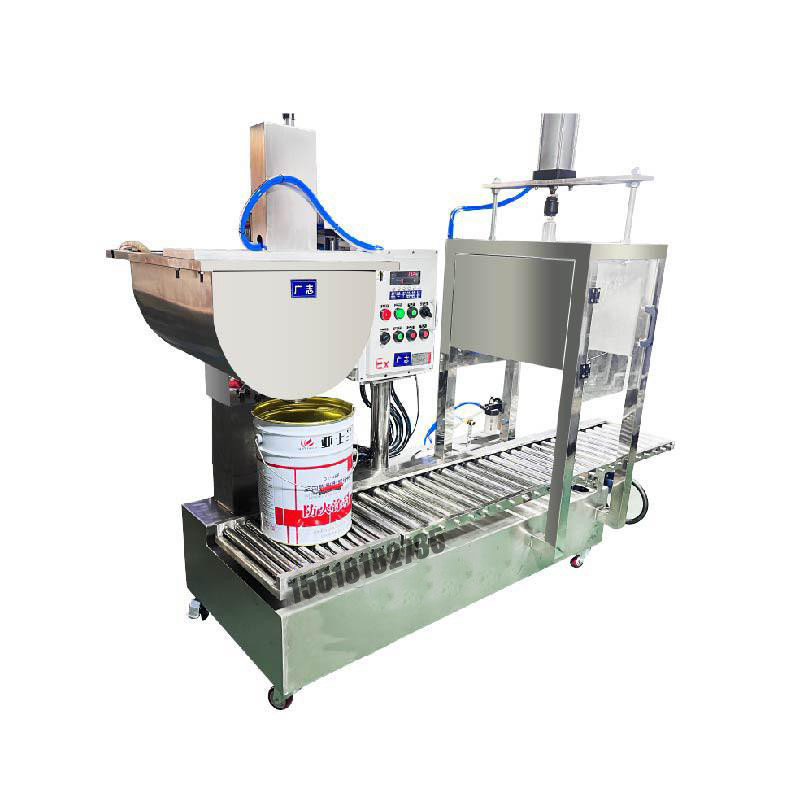
For large-scale liquid manufacturing facilities pursuing maximum output and stable operational consistency, linear filling equipment often fails to meet high-volume production demands due to limited station quantity and low synchronization efficiency. This exclusive Google SEO article focuses entirely on automatic rotary filling machines, a high-capacity rotary packaging system never covered in our previous equipment guides. Different from linear, piston, flow meter and semi-automatic filling models, rotary fillers adopt circular rotating station design to achieve continuous non-stop bottling. Optimized for Google E-E-A-T standards, this 1000-word guide explains its working principle, core advantages, industrial use cases, technical limitations and professional selection tips for global industrial buyers.
Mass production industries such as beverage, drinking water and daily chemicals require stable high-speed output ranging from thousands to tens of thousands of bottles per hour. Traditional linear filling machines feature discrete station layout, frequent start-stop actions and limited production capacity, which easily cause production bottlenecks for large factories. In addition, intermittent linear operation leads to inconsistent filling pressure and occasional bottle jams, increasing defective rates and downtime losses. Automatic rotary filling machines completely solve these industrial pain points. With continuous rotary circulation, multi-station simultaneous operation and fully synchronized workflow, it has become the core standard equipment for modern large-scale standardized liquid bottling lines.
Working Principle of Automatic Rotary Filling Machines
Automatic rotary filling machines adopt a continuous circular rotating structure, featuring totally different operating logic from intermittent linear filling systems. The whole machine takes the central rotating disc as the core, equipped with multiple evenly distributed filling stations, bottle clamping mechanisms and intelligent control modules. All procedures including bottle feeding, positioning, filling and bottle discharging run synchronously and continuously without stop-and-go interruption.
During operation, qualified empty bottles are stably delivered to the rotary turntable by the conveyor belt. Precision clamping fixtures fix each bottle to avoid displacement and tilting during high-speed rotation. As the turntable rotates steadily, bottles pass through independent filling stations in sequence. According to liquid characteristics, the system adopts gravity, pressure or overflow filling modes to complete quantitative filling. After filling, finished bottles are automatically sent out to the capping process. The integrated PLC system unifies rotating speed, filling duration and conveying frequency, ensuring every bottle obtains consistent filling volume and production rhythm.
Core Advantages Over Linear Filling Equipment
Rotary filling technology provides irreplaceable high-efficiency strengths for large-batch industrial production:
Ultra-High Continuous Production Capacity. Multi-station synchronous circular operation eliminates intermittent downtime, supporting hourly output from 3000 to 20000 bottles, far exceeding the capacity of ordinary linear filling lines.
Superior Operational Stability. Steady rotary movement avoids frequent mechanical start and stop, reducing equipment vibration, part wear and bottle jams. It effectively lowers failure rates and long-term maintenance costs.
Consistent Filling Precision. Synchronized rotating stations maintain stable liquid pressure and filling time for every container, avoiding batch errors caused by linear speed fluctuation and ensuring uniform finished product quality.
Compact & Optimized Layout. The circular structure saves workshop floor space compared with long linear production lines, helping factories optimize production layout and improve space utilization efficiency.
Strong Production Compatibility. Adjustable rotating speed and replaceable station fixtures adapt to different bottle sizes and low-viscosity liquids, supporting flexible mass production of multiple specifications.
Key Industrial Application Scenarios
Automatic rotary filling machines are widely applied in high-output standardized liquid production industries:
Bottled Water Industry: Mass production of purified water, mineral water and spring water, meeting ultra-large-scale daily bottling demands for beverage factories.
Carbonated Beverage Industry: Soda water, sparkling drinks and carbonated fruit beverages, realizing stable pressure filling and gas retention.
Daily Chemical Mass Production: Large-batch filling of transparent disinfectants, bottled cleaning agents and floral water for civilian retail markets.
Low-Viscosity Beverage Production: Tea drinks, fruit juices and diluted functional beverages with stable fluidity and standardized bottling specifications.
Technical Limitations & Buying Guidelines
Rotary filling machines have clear application boundaries. They are mainly designed for standardized low-viscosity liquid mass production and not suitable for high-viscosity pastes, granular materials and irregular special-shaped containers. Small and medium-batch customized production will cause cost waste. Manufacturers should match station quantity and rotating speed according to actual output demands to achieve optimal production efficiency.
Common Industry Misconceptions
Many buyers think rotary machines are only suitable for single-product production. In fact, modern upgraded rotary fillers support fast fixture switching to adapt to multiple bottle types. Others believe high-speed rotary operation reduces precision, but synchronous station design and stable pressure control ensure accuracy fully compliant with commercial production standards.
Conclusion
Automatic rotary filling machines break the capacity limit of traditional linear filling equipment, solving low efficiency and unstable operation of large-batch liquid bottling. With continuous rotary circulation, multi-station synchronous filling, high stability and compact layout, it provides reliable high-speed production solutions for large-scale beverage and daily chemical manufacturers. For industrial enterprises pursuing maximum output, consistent batch quality and long-term production efficiency improvement, automatic rotary filling machines are the most cost-effective and mature automated packaging investment.


