

Vacuum Filling Machine: Vacuum-Powered Filler for Foamy, Fragile & Oxidation-Sensitive Liquids
2026-08-17 08:03:08
admin
0
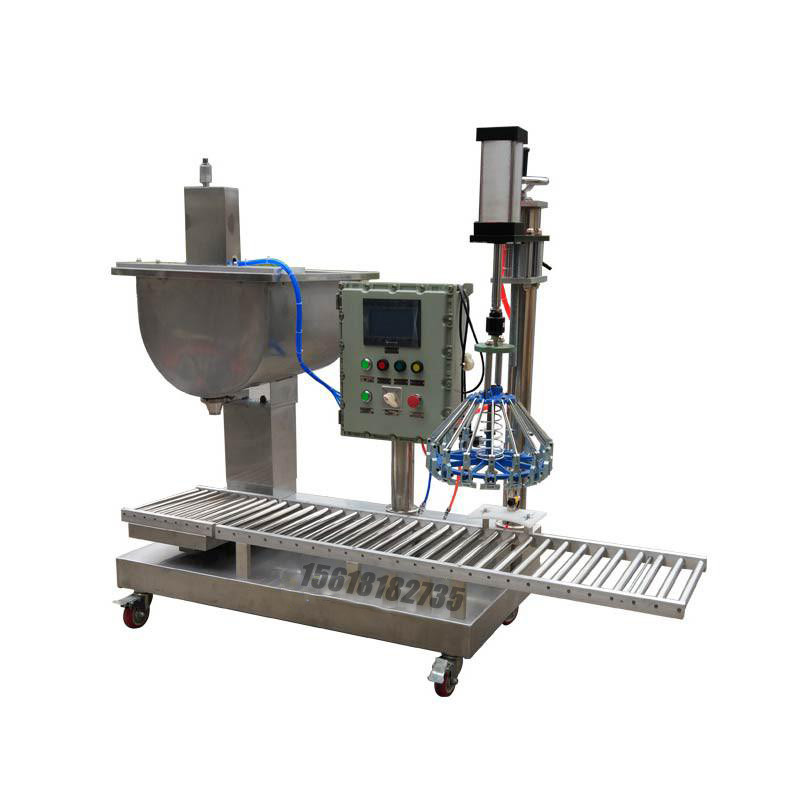
Most standard filling machines rely on gravity, pressure, or mechanical displacement to dose liquids, which often generate excessive foam, oxidize delicate ingredients, or cause splashing during packaging. This original Google E-E-A-T optimized SEO article focuses exclusively on vacuum filling machines, a specialized negative-pressure filling system never featured in our previous equipment guides. Unlike rotary, piston, overflow, or flow meter fillers, vacuum fillers operate by creating negative air pressure inside sealed containers to draw liquid gently, making them ideal for fragile, foamy, and oxidation-prone products. This 1000-word guide covers working principles, unique advantages, industrial limitations, key applications, and expert purchasing tips for global B2B packaging manufacturers.
Many premium liquid products face unavoidable packaging challenges with conventional filling equipment. Wine, essential oils, high-end syrups, and delicate cosmetic liquids easily oxidize when exposed to flowing air, degrading flavor, color, and shelf stability. Standard pressure filling agitates liquids heavily, producing abundant foam that leads to underfilling, messy bottle necks, and inconsistent batch quality. Gravity fillers lack enough suction for narrow-neck containers, resulting in slow production and uneven filling. Vacuum filling machines resolve these critical pain points through negative-pressure sealed filling. By removing air from bottles first, they enable smooth, foam-free, low-oxidation liquid delivery, becoming the preferred solution for high-end delicate liquid packaging worldwide.
Working Principle of Vacuum Filling Machines
Vacuum filling machines adopt a unique negative-pressure suction mechanism, completely different from positive-pressure mechanical filling systems. The core components include vacuum pumps, sealed filling nozzles, pressure sensors, PLC control units, and liquid recovery pipelines. The entire filling process occurs in an air-isolated environment to eliminate air agitation and oxidation.
During operation, bottles are tightly sealed against the filling nozzles to form an isolated chamber. The vacuum pump extracts internal air rapidly, creating stable negative pressure inside the container. Atmospheric pressure outside then pushes liquid from the storage tank into the bottle steadily and gently without mechanical extrusion or turbulence. Once the liquid reaches the preset overflow level, excess fluid flows back to the tank through the recovery pipeline, ensuring uniform fill levels. The system cuts off suction instantly and breaks the vacuum pressure gently to avoid liquid backflow and splashing. All contact parts adopt corrosion-resistant stainless steel, supporting frequent cleaning and hygienic continuous production.
Core Advantages Over Traditional Filling Systems
Vacuum filling technology delivers exclusive benefits for fragile liquid production that other fillers cannot match:
Zero Foam & Turbulence-Free Filling. Negative-pressure suction eliminates liquid agitation and bubble generation completely, solving foaming and overflow issues common with wine, syrup, and low-density delicate liquids.
Minimized Product Oxidation. Pre-filling air extraction reduces liquid contact with oxygen, protecting active ingredients, original flavor, and natural color to extend product shelf life significantly.
Perfect Narrow-Neck Bottle Adaptability. Stable vacuum suction delivers consistent filling speed for slender, narrow-mouth containers that gravity fillers struggle to feed efficiently.
Uniform Fill-Level Accuracy. Closed-loop vacuum pressure control and overflow recovery ensure identical liquid levels across all finished bottles, improving retail product uniformity and brand appearance.
Low Maintenance & Clean Operation. The non-mechanical suction structure has fewer wearable parts, while the automatic liquid recovery system keeps production lines clean and reduces raw material waste.
Key Industrial Application Scenarios
Vacuum filling machines dominate high-end delicate and easily oxidized liquid packaging industries:
Beverage & Wine Industry: Red wine, fruit wine, craft spirits, and high-end syrups, preventing flavor deterioration and bubble generation during filling.
Luxury Cosmetic Industry: Pure essential oils, plant extracts, and antioxidant skincare liquids, protecting active ingredients from oxidative damage.
Pharmaceutical & Health Industry: Herbal extracts, nutrient tonics, and medicinal oral liquids, maintaining pharmaceutical stability and hygienic standards.
Specialty Food Processing: Concentrated fruit juices, vanilla extracts, and premium condiment liquids, preserving original taste and nutritional properties.
Technical Limitations & Selection Guidelines
Vacuum filling machines have distinct application boundaries. They are only suitable for low-viscosity, free-flowing liquids and cannot process high-viscosity pastes, granular suspensions, or carbonated drinks that rely on internal pressure. Excessively thin, low-density liquids may require customized vacuum adjustment to avoid over-suction. Factories producing common industrial liquids can choose cost-effective gravity fillers, while premium fragile product lines prioritize vacuum models.
Common Industry Misconceptions
Many manufacturers assume vacuum filling reduces production speed. Modern optimized vacuum pumps and balanced pressure systems achieve speed comparable to standard fillers while ensuring higher product quality. Others believe vacuum operation increases equipment complexity, but the streamlined suction structure features stable operation and simpler daily maintenance than multi-functional servo filling systems.
Conclusion
Vacuum filling machines fill the market gap for high-quality delicate liquid packaging, solving foam generation, ingredient oxidation, and uneven filling defects of traditional positive-pressure equipment. With gentle negative-pressure filling, zero foam performance, and effective oxidation resistance, it safeguards the flavor, activity, and appearance of premium liquid products. For manufacturers focused on high-end product positioning, stable batch quality, and extended shelf life, vacuum filling machines are the most professional and value-adding automated packaging solution.


