

Aseptic Cold Filling Machine: Ultra-Sterile Room-Temperature Filler for Premium Beverages
2026-08-14 08:03:05
admin
0
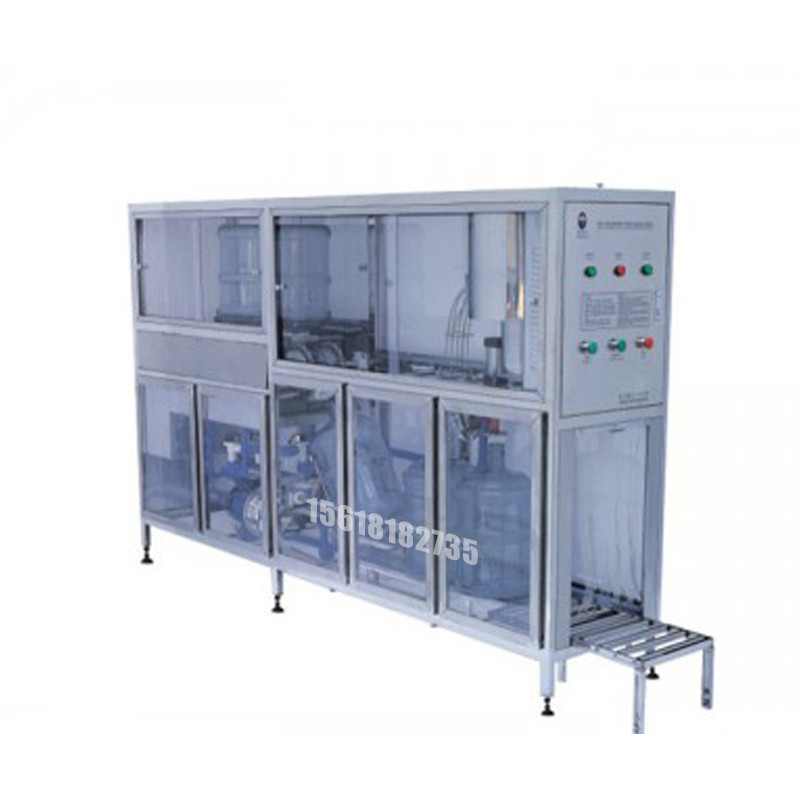
The beverage and food packaging industry features two mainstream sterile filling technologies: hot filling and cold aseptic filling. Our previous SEO guides have covered hot thermal filling, counter-pressure carbonated filling, servo paste filling, and various industrial filling equipment, yet never introduced aseptic cold filling machines, the high-end sterile packaging solution for heat-sensitive products. Unlike hot filling that relies on high-temperature sterilization, aseptic cold filling completes full sterile packaging at room temperature without thermal processing. This Google E-E-A-T compliant article elaborates on its working principle, core advantages, industrial applications, technical boundaries, and selection tips, providing 100% original B-end professional content within 1000 words.
Most premium functional beverages, dairy drinks, and low-acid protein liquids are extremely heat-sensitive. High-temperature hot filling destroys active nutrients, denatures protein ingredients, and alters original flavor and color, severely downgrading product quality. Traditional cold filling lacks systematic sterile control, requiring large doses of preservatives to prevent spoilage, which fails to meet modern clean-label consumption demands. Aseptic cold filling technology perfectly solves this dilemma, combining full-process sterile isolation with room-temperature filling to retain product freshness while ensuring commercial sterility, becoming the core production equipment for high-end beverage brands worldwide.
Working Principle of Aseptic Cold Filling Machines
Aseptic cold filling adopts a fully enclosed, sterile-isolated cold processing system, completely different from thermal hot filling. The entire production process runs in a Class 100 ultra-clean sterile isolation hood, realizing zero bacterial interference. First, liquid materials undergo ultra-high temperature instantaneous sterilization (UHT) in pipelines, killing harmful microorganisms in 2 to 3 seconds without prolonged heating damage. The sterilized liquid is rapidly cooled to room temperature instantly to lock in nutrients and flavor.
Empty bottles and caps are independently disinfected via sterile water and hydrogen peroxide atomization, removing surface bacteria and impurities. All filling and capping procedures are completed in a sealed sterile environment with positive pressure sterile air circulation to block external contamination. The entire pipeline and filling valve adopt dead-space-free design with regular automatic CIP and SIP sterilization, ensuring zero residual dirt and cross-contamination. Intelligent PLC system synchronizes sterilization, filling, and capping processes to achieve standardized sterile cold filling.
Unique Core Advantages
Aseptic cold filling possesses irreplaceable technical strengths for heat-sensitive high-end liquid products:
Zero Thermal Damage & Freshness Retention. Room-temperature filling avoids thermal degradation of proteins, vitamins, and active biological ingredients, fully retaining the original taste, color, and nutritional value of products.
100% Preservative-Free Formula. Full-process ultra-sterile environment realizes commercial sterility without any artificial preservatives, meeting clean-label standards and enhancing product market competitiveness.
Wide Material Adaptability. It perfectly adapts to low-acid, heat-sensitive products that hot filling cannot process, including dairy drinks, protein beverages, and probiotic functional liquids.
Stable Batch Quality. Enclosed sterile isolation and automatic sterilization systems eliminate manual and environmental interference, ensuring consistent sterile standards for every production batch.
Extended Shelf Life. Strict sterile control effectively inhibits bacterial reproduction and liquid oxidation, supporting long-term room-temperature storage without quality deterioration.
Industrial Application Scenarios
Aseptic cold filling machines are exclusively applied to high-end heat-sensitive sterile liquid production:
Dairy & Protein Beverage Industry: Pure milk, yogurt drinks, plant protein milk, and whey beverages, avoiding protein denaturation caused by high temperature.
Functional Health Beverage Industry: Probiotic drinks, vitamin functional beverages, and enzyme liquids, protecting active biological ingredients.
Low-Acid Beverage Industry: Coconut milk, almond milk, and grain beverages, solving the sterilization difficulty of low-acid heat-sensitive products.
Premium Juice Industry: Freshly squeezed cold-pressed juice and NFC juice, retaining natural fresh flavor without thermal cooking taste.
Technical Limitations & Selection Guide
Aseptic cold filling has clear application boundaries. It requires strict ultra-clean workshop environment and regular equipment sterilization maintenance, with higher technical thresholds than hot filling. For ordinary high-acid common beverages, hot filling is more cost-effective. Manufacturers should choose cold aseptic filling only for heat-sensitive, high-value, clean-label products to balance quality and production cost.
Common Market Misconceptions
Many manufacturers confuse cold filling with aseptic cold filling. Ordinary cold filling has no sterile isolation measures and cannot achieve preservative-free production. Others believe aseptic cold filling has unstable sterility, but modern fully automatic SIP self-sterilization systems maintain long-term stable sterile standards with extremely low defective rates.
Conclusion
Aseptic cold filling machines fill the market gap in high-end heat-sensitive sterile packaging, overcoming the flavor and nutrition loss of hot filling and the preservative dependence of traditional cold filling. With full-process sterile isolation, room-temperature filling, and zero thermal damage advantages, it supports the production of various premium dairy, functional, and fresh juice products. For beverage manufacturers focusing on high-end clean-label products and pursuing original flavor and nutritional retention, aseptic cold filling systems are the most professional and reliable high-standard packaging upgrade solution.


