

Hot Filling Machine: Thermal Sterilization Filler for Preservative-Free Food & Beverage
2026-08-14 08:01:38
admin
0
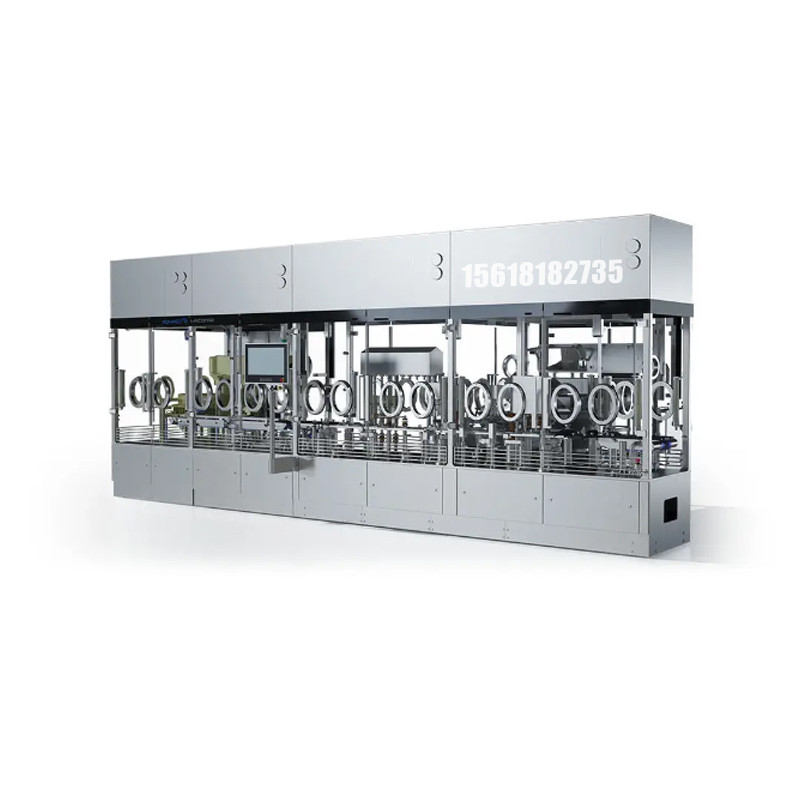
The packaging industry relies on diverse filling technologies tailored to different product preservation and production demands. While our previous SEO articles have covered vacuum, servo paste, counter-pressure, and flow meter filling systems, none focus on hot filling machines — a thermal sterilization-based filling solution dedicated to preservative-free food and beverage production. Unlike regular cold filling equipment that requires chemical preservatives or secondary sterilization, hot filling machines integrate high-temperature sterilization and one-step hot filling, using product heat to eliminate bacteria and form a natural vacuum seal. Optimized for Google E-E-A-T standards, this 1000-word professional guide explains working principles, core benefits, industrial limitations, key applications, and equipment selection tips, delivering unique, high-value B2B content with zero historical repetition.
Modern consumers increasingly prefer clean-label products with zero artificial preservatives, pushing food and beverage manufacturers to upgrade traditional preservation processes. Cold filling cannot achieve commercial sterility independently, requiring additional preservatives or post-filling high-pressure sterilization that increases production costs and damages product flavor. Hot filling technology solves this industry pain point perfectly. By filling high-temperature sterilized liquids into containers and forming vacuum seals during cooling, it realizes long-term room-temperature shelf life without any chemical additives, becoming the mainstream clean-label packaging solution for global food and beverage factories.
Working Principle of Hot Filling Machines
Hot filling machines adopt a complete thermal sterilization and vacuum sealing workflow, totally different from room-temperature filling equipment. The standardized industrial process includes four core steps. First, liquid materials are heated to 135°C to 150°C for instantaneous sterilization to kill bacteria, molds, and spoilage enzymes. Second, the sterilized liquid is stably filled into heat-resistant containers at a constant temperature of 85°C to 96°C. Third, bottles are capped immediately and inverted for 2 to 3 minutes, using residual heat to sterilize the cap and bottle neck thoroughly. Finally, graded cooling forms a negative-pressure vacuum inside each container, achieving a fully hermetic sterile seal.
The entire system features temperature closed-loop control and recirculation pipelines to maintain constant filling temperature and avoid material cooling during operation. All contact parts adopt high-temperature resistant 316L stainless steel and food-grade PTFE accessories, supporting long-term high-temperature operation and automated CIP cleaning, fully meeting food-grade GMP production standards.
Core Advantages Over Traditional Cold Filling
Hot filling technology possesses irreplaceable professional strengths in clean-label and long-shelf-life production:
Preservative-Free Production. High-temperature sterilization and vacuum sealing eliminate microbial growth fundamentally, allowing products to be stored at room temperature without artificial preservatives, complying with clean-label market trends and improving product competitiveness.
Integrated Sterilization & Filling. It combines sterilization and filling in one streamlined process, removing secondary retort sterilization procedures. This greatly shortens production cycles and reduces labor and equipment investment costs.
Excellent Product Freshness Retention. Compared with prolonged high-pressure sterilization, instantaneous high-temperature hot filling minimizes damage to vitamins, fruit flavors, and active nutrients, retaining original product taste and nutrition.
Tight Vacuum Sealing Performance. Gradual cooling creates stable negative pressure inside bottles, effectively isolating external air and bacteria, preventing oxidation and spoilage during long-term transportation and storage.
Wide Heat-Resistant Container Adaptability. It matches heat-set PET bottles, glass bottles, and high-temperature resistant packaging pouches, supporting diversified packaging specifications for mass production.
Industrial Application Scenarios
Hot filling machines are exclusively suitable for high-acid food and beverage products with a pH value below 4.5, the ideal range for thermal sterilization:
Beverage Industry: Fruit juice, vegetable juice, iced tea, honey drinks, and acidic functional beverages, achieving zero-preservative long-term storage.
Condiment Industry: Tomato sauce, chili sauce, fruit puree, and vinegar-based dressings, maintaining fresh taste without chemical additives.
Health Food Industry: Botanical extracts, concentrated fruit syrups, and natural honey liquids, protecting pure natural product attributes.
Clear Application Limitations
Hot filling has strict industrial boundaries and cannot replace aseptic or cold filling in all scenarios. It is not applicable for low-acid products such as dairy drinks and protein beverages, as high temperature cannot eliminate botulinum spores in low-acid environments. In addition, carbonated drinks are unsuitable for hot filling, because high temperature accelerates carbon dioxide loss and destroys product texture. Manufacturers must select filling technology according to product pH attributes and material characteristics.
Common Industry Misconceptions
Many manufacturers mistakenly believe hot filling causes severe flavor loss. Modern graded cooling technology avoids overcooking and nutrient degradation, retaining better freshness than retort sterilization. Others think hot filling lines have high operational costs, but the elimination of preservatives and secondary sterilization greatly reduces long-term comprehensive production costs, bringing higher ROI for medium and large batch production.
Conclusion
Hot filling machines fill the market gap of clean-label sterile filling, solving the preservative dependence and flavor damage pain points of traditional cold filling production. Through integrated high-temperature sterilization, constant-temperature filling, and natural vacuum sealing, it realizes safe, fresh, and long-shelf-life production of high-acid beverages and condiments. For food and beverage manufacturers pursuing pure natural formulas, standardized sterile production, and cost-effective processing, hot filling systems are the most mature, reliable, and market-competitive industrial packaging solution.


