

Weighing Filling Machine: High-Precision Gravimetric Filler for Weight-Certified Industrial Products
2026-08-18 08:03:19
admin
0
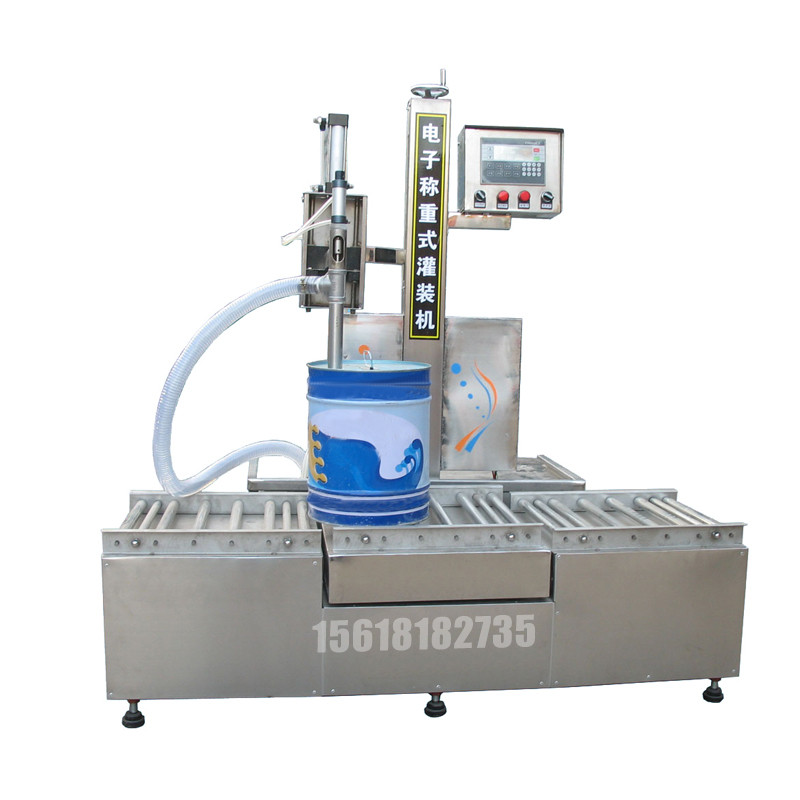
Most traditional filling machines rely on volumetric, stroke-based, or timed metering, which fail to deliver legally compliant weight accuracy for trade-sold products. Volume-based fillers suffer errors from liquid density changes, temperature fluctuations, and material stratification, leading to underweight penalties, customer complaints, and batch inconsistency. This original Google E-E-A-T compliant SEO article focuses exclusively onweighing filling machines, a professional gravimetric filling solution never featured in our previous guides. By adopting real-time load cell weighing instead of speculative volume calculation, this machine delivers traceable, certified net weight filling for commercial and industrial goods. This 1000-word guide covers its working principle, core advantages, limitations, key applications, and expert buying tips for global weight-regulated manufacturing enterprises.
For industries selling products by net weight, filling accuracy is not merely a quality indicator but a legal compliance requirement. Volumetric fillers perform well for fixed-density, stable-temperature liquids but generate obvious deviations in variable environments. Seasonal temperature shifts change liquid density, while mixed formulas cause uneven material distribution, making fixed-volume data inaccurate. Manual weight calibration wastes massive labor and halts production frequently. Weighing filling machines solve these industry pain points fundamentally. Using high-sensitivity digital load cells for direct weight measurement, they ignore density and viscosity interference, ensuring every finished product meets official weight standards, becoming the most reliable filling equipment for weight-certified commercial production lines.
Working Principle of Weighing Filling Machines
Weighing filling machines adopt direct gravimetric metering logic, operating completely differently from indirect volumetric filling systems. Core components include industrial high-precision load cells, anti-vibration weighing platforms, dual-speed feeding valves, real-time data transmitters, and PLC closed-loop control systems. The entire process targets actual net weight rather than calculated volume.
During operation, empty containers are stably placed on the anti-vibration weighing platform, which automatically tare zero to eliminate container weight interference. The system starts fast-speed feeding to improve production efficiency. When the liquid weight approaches the preset target value, the machine switches to micro slow filling to avoid inertial overweight. The load cell transmits real-time weight data to the controller dynamically, and the feeding system stops instantly once reaching the standard weight. Intelligent anti-drip nozzles prevent residual liquid from falling and altering final weight. Vibration suppression design shields external environmental interference, guaranteeing stable and accurate weighing results for each batch of products.
Core Advantages Over Volumetric Fillers
Professional gravimetric weighing filling technology provides unique compliant and stable strengths for commercial production:
Density & Temperature Adaptability. Direct weight measurement requires no density parameter conversion, automatically adapting to temperature changes and formula mixing without manual recalibration.
Legal Weight Compliance. Traceable weighing data meets international trade measurement standards, avoiding regulatory penalties and market returns caused by weight deviation.
Ultra-Low Material Waste. Precise closed-loop control eliminates overweight filling, saving raw material costs compared with volumetric fillers that reserve redundant tolerance.
Strong Multi-Material Compatibility. It stably handles thin liquids, viscous oils, suspensions, and mixed materials with particles, covering broader production scenarios than single volumetric equipment.
Real-Time Data Traceability. Automatic weight data recording supports batch quality tracking, facilitating factory standardized management and product after-sales traceability.
Key Industrial Application Scenarios
Weighing filling machines are widely applied in weight-regulated commercial industries:
Edible Oil Industry: Peanut oil, olive oil, blended cooking oil, and bulk grease, ensuring legal net weight compliance for retail edible oil products.
Lubricant & Grease Industry: Engine oil, hydraulic oil, industrial lubricants, and gear oil, meeting strict weight standards for industrial bulk sales.
Fine Chemical Industry: Industrial coatings, adhesives, blended solvents, and chemical additives with variable density formulas.
Food Raw Material Industry: Bulk syrup, condensed milk, and fermented liquid materials with unstable density characteristics.
Technical Limitations & Selection Guidelines
Weighing filling machines have clear application boundaries. They rely on stable platform placement, making them unsuitable for ultra-high-speed rotary production lines with severe vibration. They are not recommended for micro-small filling doses where load cell sensitivity cannot function effectively. Manufacturers focusing on weight-certified retail and bulk products should prioritize weighing fillers, while non-weight-sensitive rapid packaging can adopt volumetric models.
Common Industry Misconceptions
Many buyers believe weighing filling speed is slower than volumetric filling. Modern dual-speed feeding technology balances accuracy and efficiency, meeting medium and high-speed production demands. Others worry vibration affects precision, but professional anti-vibration structures effectively offset environmental interference for stable long-term operation.
Conclusion
Weighing filling machines fill the market gap in weight-compliant industrial packaging, solving density errors, temperature interference, and non-compliant weight issues of traditional volumetric filling equipment. With direct gravimetric metering, strong material adaptability, legal trade compliance, and cost-saving advantages, it provides a stable and reliable solution for weight-regulated product manufacturers. For enterprises pursuing standardized trade sales, zero-complaint batch quality, and long-term cost control, weighing filling machines are the most practical and regulation-compliant automated filling equipment.


