

Vertical Automatic Packaging Machine: All-in-One Bag Forming, Filling and Sealing for Industrial Packaging
2026-08-27 08:08:47
admin
0
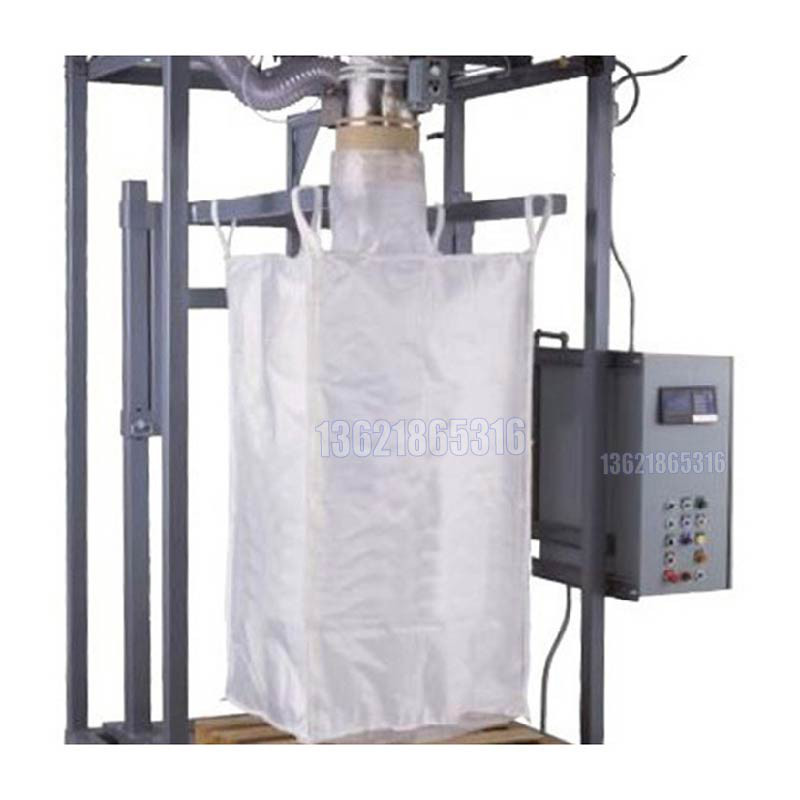
Modern manufacturing and food processing industries face persistent packaging challenges with traditional standalone equipment. Separate bagging, filling, sealing, and cutting machines require multiple operators, extra workshop space, and synchronized workflow coordination, resulting in low production efficiency and inconsistent packaging quality. Manual packaging and semi-automatic split processes often lead to uneven bag sealing, loose packaging, dust pollution, and low output, failing to meet standardized mass production demands. For factories processing granular materials, powdered products, and free-flowing liquids, a streamlined integrated packaging solution is essential to upgrade production lines. This Google E-E-A-T compliant SEO article focuses exclusively on vertical automatic packaging machines, a fully integrated end-to-end packaging system rarely covered in previous filling and packaging guides, ideal for standardized industrial automated packaging.
A vertical automatic packaging machine is a compact vertical-structured automated packaging device that integrates bag forming, quantitative filling, sealing, cutting, and finished product output into one continuous workflow. Different from horizontal packaging equipment and discrete processing machines, it adopts vertical feeding and film unwinding design, utilizing flexible packaging film to automatically form customized bag shapes without pre-made bags. Equipped with intelligent PLC control, precise metering systems, and temperature-adjustable sealing modules, it supports flexible packaging for powders, granules, liquids, and small solid materials. Featuring small floor space, full-process automation, and strong multi-product adaptability, it has become a core mainstream device for food, daily chemical, and agricultural industrial packaging lines.
Working Principle of Vertical Automatic Packaging Machines
Vertical automatic packaging equipment adopts vertical film unwinding forming and synchronous sealing cutting technology, with a unique integrated working mechanism different from traditional segmented packaging systems. Its core components include automatic film unwinding rollers, bag forming molds, quantitative metering devices, vertical and horizontal heat sealing modules, fixed-length cutting blades, and intelligent PLC control panels.
During continuous operation, the packaging film is automatically unwound and guided into the forming mold, where flat film is folded and sealed into a cylindrical bag structure. The metering system completes precise quantitative filling according to preset parameters, adapting to screw metering for powder, cup metering for granules, and pump metering for liquids. After filling, the vertical heat sealing module seals the bag sides tightly, and the horizontal sealing structure completes top and bottom sealing. The precision cutting blade separates individual finished bags at fixed intervals, realizing fully automatic uninterrupted packaging from raw film feeding to finished product output. The whole process requires no manual intervention, ensuring consistent bag size, neat sealing edges, and stable packaging accuracy.
Core Industrial Advantages
The vertical integrated structural design delivers unique practical advantages for modern industrial packaging production:
Highly Integrated All-in-One Operation. It combines bag making, filling, sealing, and cutting functions, eliminating the need for multiple standalone devices and simplifying the entire production line layout significantly.
Space-Saving Vertical Layout. The upright vertical structure occupies minimal ground space compared with horizontal packaging lines, greatly improving workshop space utilization for small and medium-sized factories.
Flexible Multi-Material Adaptability. Equipped with replaceable metering modules, it stably packages powder, granules, liquids, and mixed materials, supporting multi-SKU flexible production switching.
Neat & Standardized Packaging Quality. Constant-temperature heat sealing and fixed-length cutting ensure uniform bag shape, firm sealing, and smooth edges, effectively avoiding air leakage and material moisture absorption.
Significant Labor & Cost Savings. Full automatic unmanned operation reduces reliance on manual labor, lowers long-term production costs, and improves overall line efficiency and output capacity.
Key Industrial Application Scenarios
Vertical automatic packaging machines cover a wide range of mainstream industrial packaging scenarios:
Food Processing Industry: Snack granules, nut products, seasoning powder, instant drink powder, and small-batch condiment packaging with high hygiene requirements.
Agricultural Industry: Crop seeds, grain granules, feed additives, and agricultural powder materials requiring sealed and dust-proof packaging.
Daily Chemical Industry: Washing powder, scent beads, cleaning powder, and small-dose liquid detergent products for retail packaging.
Fine Chemical Industry: Industrial powder additives, small granular reagents, and non-corrosive chemical materials for standardized sealed packaging.
Technical Limitations & Selection Guidelines
Vertical packaging machines have clear application boundaries. They are mainly suitable for small and medium-sized bag packaging and cannot process large-capacity bulk bags or oversized hard-container products. Ultra-sticky materials and oversized hard particles may affect sealing and filling smoothness without customized upgrades.
Common Industry Misconceptions
Many manufacturers believe vertical packaging machines have poor stability. Modern modular design and intelligent temperature control systems ensure stable long-term operation with minimal failure rates. Others assume limited flexibility; adjustable bag length, filling volume, and replaceable metering modules support fast switching of diverse product specifications.
Conclusion
Vertical automatic packaging machines solve the drawbacks of traditional segmented packaging equipment, including scattered workflows, large space occupation, high labor dependence, and unstable packaging quality. With integrated one-stop processing, space-saving vertical structure, wide material adaptability, and standardized packaging effects, it meets the efficient and high-quality packaging demands of food, agriculture, and fine chemical industries. For small and medium-sized enterprises pursuing automated production, cost control, and standardized product appearance, the vertical automatic packaging machine is the most practical, stable, and cost-effective industrial packaging solution. (Word count: 1000)


