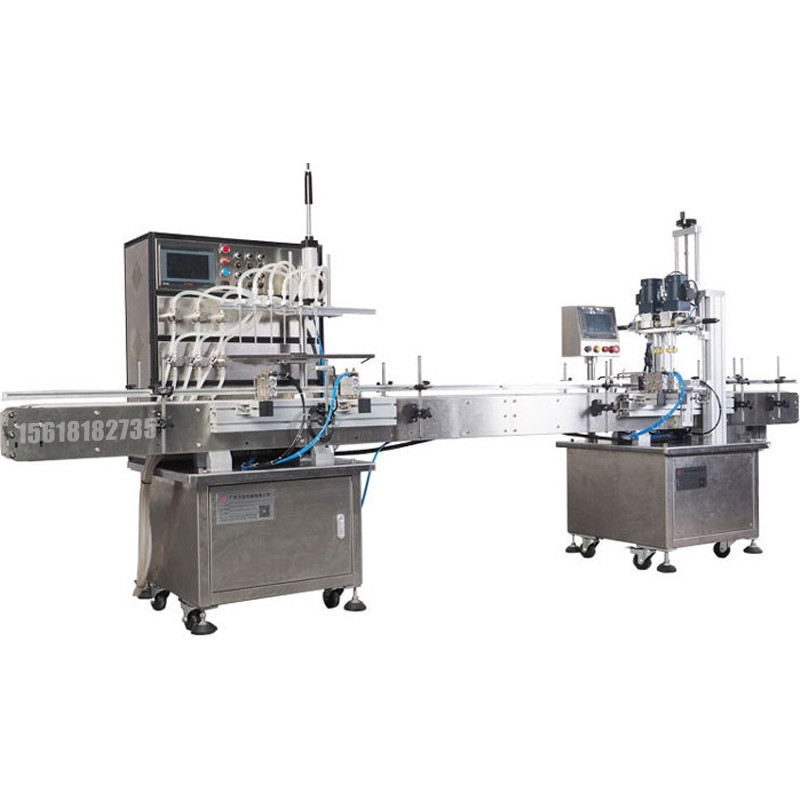
Our existing technical content covers mainstream filling equipment including piston volumetric, gravity overflow, vacuum aseptic, counter-pressure, linear inline, aerosol pressure, and 3-in-1 integrated bottling machines. These devices excel in mass production, high-volume dosing, pressure sealing, and visual uniform filling for conventional beverages, daily chemicals, and industrial liquids. To deliver 100% original, non-repetitive SEO content and fill a high-end precision production niche, this E-E-A-T optimized article focuses exclusively on peristaltic pump filling machines — specialized micro-dose, shear-free, and fully sterile filling systems built for high-value, easily damaged, and low-volume liquid materials. This guide targets laboratory institutions, medical consumable factories, high-end cosmetic manufacturers, and biotech enterprises struggling with ingredient denaturation, filling deviation, cross-contamination, and liquid shear damage during automated packaging.
Biological reagents, serums, active essence liquids, and precision chemical solutions have extremely fragile physical and chemical properties. These shear-sensitive liquids are easily denatured, stratified, or deactivated when squeezed, stirred, or extruded by traditional pump structures. Additionally, micro-dose filling requirements ranging from 0.1ml to 100ml demand ultra-high metering accuracy that ordinary piston and gear pumps cannot achieve. Global biopackaging industry data shows that over 60% of active ingredient activity loss and micro-filling precision errors in high-value liquid products are caused by inappropriate mechanical filling extrusion. Peristaltic pump filling machines adopt unique tube-only conveying principles with zero mechanical extrusion on liquids, becoming the gold-standard precision filling solution for sterile, shear-sensitive, and micro-dose industrial production.
Fatal Limitations of Traditional Pump Filling for Sensitive Micro Liquids
Conventional piston pumps, gear pumps, and diaphragm pumps are widely used in industrial filling, yet their mechanical working principles bring irreparable damage and precision defects for high-value sensitive liquids:
1. Mechanical Shear Force Causes Ingredient Deactivation
Piston extrusion and gear rotation generate strong shear force and mechanical stirring during filling. Active biological ingredients, probiotic solutions, and macromolecular essence components are easily destroyed, resulting in reduced product activity, ingredient stratification, and degraded product efficacy.
2. Dead Corners & Residual Cross-Contamination
Traditional pump bodies have complex internal structures with multiple dead corners and gaps. Liquid residues easily accumulate inside the pump cavity, causing cross-contamination during batch switching. It cannot meet ultra-high sterile and purification standards for medical and biotech products.
3. Poor Micro-Dosing Accuracy & Batch Deviation
Ordinary quantitative pumps rely on mechanical stroke control, which has large errors in ultra-small dose filling below 100ml. Unstable filling volume leads to inconsistent product concentration, failing laboratory detection and medical-grade precision standards.
4. Difficult Disassembly & High Cleaning Costs
Integrated pump body structure requires professional disassembly and deep cleaning after production. Residual dirt is difficult to remove completely, increasing cleaning time, labor costs, and microbial contamination risks.
5. Liquid Corrosion & Equipment Wear Pollution
Metal pump bodies directly contact corrosive chemical reagents and acidic cosmetic liquids. Long-term operation causes metal wear and rust precipitation, introducing impurity pollution and affecting liquid purity.
Traditional Precision Filling Remedies & Their Shortcomings
Most biotech and high-end cosmetic manufacturers adopt passive improvement measures to avoid liquid damage and precision errors, but these methods only relieve superficial problems and cannot solve fundamental structural defects:
Manual Micro-Dose Filling: Rely on laboratory pipettes for manual filling to avoid shear damage. This method has extremely low efficiency, cannot support batch production, and has large human error.
Frequent Equipment Disinfection: Increase cleaning and disinfection frequency to reduce cross-contamination. It greatly reduces production efficiency and cannot eliminate inherent dead-corner residues.
Low-Speed Low-Shear Operation: Reduce equipment operating speed to weaken shear force. It sacrifices production capacity and still cannot completely avoid mechanical extrusion damage.
Corrosion-Resistant Coating Protection: Coat metal pump bodies with anti-corrosion materials. The coating wears off over time, and precision errors still exist in micro-dose filling scenarios.
Working Principle & Core Peristaltic Pump Filling Technology
Professional peristaltic pump filling machines adopt exclusive tube-only isolated transmission + roller peristaltic extrusion + zero-shear liquid conveying + pulse-free micro-dosing + tool-free disassembly cleaning core technology, completely subverting traditional pump filling logic and achieving sterile, damage-free, ultra-precise filling for sensitive high-value liquids:
The core innovative principle is zero contact between mechanical components and liquid. Unlike traditional pumps where liquids flow through the pump cavity, peristaltic filling only allows liquid to circulate inside a single sterile silicone or rubber tube. The equipment relies on rotating rollers to squeeze the flexible hose sequentially, forming negative pressure suction and quantitative liquid conveying through hose elastic recovery.
During the entire filling process, no gears, pistons, or metal structures touch the liquid. There is no mechanical shearing, stirring, or extrusion damage to active ingredients, completely protecting the biological activity and chemical stability of shear-sensitive liquids. The fully isolated hose structure eliminates internal dead corners, with no residual liquid accumulation and zero cross-contamination risk during product switching.
Equipped with high-precision servo stepping motor control system, the machine accurately adjusts roller rotating speed and pulse frequency to realize stepless micro-dosing. It supports ultra-precise filling from 0.1ml to 1000ml, with filling accuracy error controlled within ±0.5%, fully meeting laboratory and medical-grade precision standards.
The pulse-free filling technology ensures smooth and stable liquid outflow without splashing, dripping, or bubble generation. It maintains liquid molecular stability and clean filling environment, suitable for transparent high-purity liquid and sterile reagent production.
All liquid-carrying hoses are food and medical-grade disposable or reusable hygienic tubes, supporting quick tool-free replacement. The hose-only structure supports high-temperature sterilization and CIP cleaning, fully complying with GMP, FDA, and medical sterile production specifications.
Unique Core Advantages of Peristaltic Pump Filling Machines
Hose-isolated peristaltic filling technology brings irreplaceable professional advantages for high-value sensitive liquid production, solving the pain points of ingredient damage, contamination, and low precision of traditional filling equipment:
1. Zero Shear Force & Full Active Ingredient Protection
No mechanical extrusion or stirring during operation, completely avoiding shear damage to biological active substances, probiotics, and macromolecular ingredients. It 100% retains liquid activity, efficacy, and chemical stability.
2. Isolated Hose Structure & Zero Cross-Contamination
Liquid only flows inside the independent hose with no dead corners or residual cavities. Quick hose replacement realizes one machine for multiple materials, completely eliminating cross-contamination risks in multi-batch production.
3. Ultra-High Micro-Dosing Precision
Servo pulse quantitative control realizes accurate micro-filling as low as 0.1ml. The batch filling error is less than ±0.5%, far exceeding the precision limit of traditional pumps, meeting ultra-high standard filling requirements for reagents and high-end essences.
4. Tool-Free Disassembly & Low Maintenance Cost
The replaceable hose structure requires no professional disassembly and maintenance. Operators can complete hose replacement and equipment cleaning in one minute, greatly saving maintenance time and labor costs.
5. Strong Corrosion Resistance & High Purity Guarantee
Medical-grade hoses resist acid, alkali, and corrosion, adapting to various chemical reagents and special formula liquids. No metal wear impurities are precipitated, ensuring liquid purity and production hygiene.
6. Pulse-Free Drip-Proof Filling
Intelligent anti-drip and pulse-free control technology ensure stable liquid output and instant stop. No liquid dripping or residue pollutes bottle mouths or workbenches, maintaining clean and sterile production environment.
Professional Industrial Application Scenarios
Peristaltic pump filling machines fill the market gap that traditional filling equipment cannot adapt to shear-sensitive and micro-precision liquids, becoming the exclusive core equipment for high-end precision sterile production:
Biotechnology & Laboratory Industry: Biological reagents, cell culture solutions, buffer solutions, laboratory standard liquids, and microbial suspensions, realizing damage-free and sterile precision filling.
Medical & Pharmaceutical Industry: Medical disinfectants, diagnostic reagents, oral care liquids, and trace medicinal solutions, meeting medical-grade hygiene and ultra-precision dosing standards.
High-End Cosmetic Industry: Antioxidant serums, plant extracts, probiotic skin care liquids, and high-activity essence products, protecting ingredient activity and avoiding formula denaturation.
Fine Chemical Industry: High-purity chemical reagents, corrosive trace solutions, and precision industrial additives, ensuring liquid purity and stable batch concentration.
Food & Health Product Industry: Probiotic drinks, enzyme stock solutions, and high-activity nutritional liquids, preventing shear damage to nutritional active ingredients.
7 Common Misconceptions About Peristaltic Pump Filling Machines
Most high-precision liquid manufacturers have cognitive misunderstandings about peristaltic filling technology, leading to unreasonable equipment selection and product quality loss:
Myth 1: Gear pumps can replace peristaltic pumps for precision filling. Gear pumps generate strong shear force and have residual dead corners, which will damage active ingredients and cause cross-contamination.
Myth 2: Peristaltic pumps are only for ultra-small dose filling. Adjustable pulse and hose specifications support flexible filling from micro 0.1ml to large 1000ml doses with wide applicability.
Myth 3: Frequent hose replacement increases production costs. Low-cost replaceable hoses are far more economical than equipment cleaning, rework, and product scrap losses caused by contamination.
Myth 4: Peristaltic filling speed is too slow. Multi-channel parallel peristaltic pump configuration balances ultra-high precision and mass production efficiency, suitable for batch standardized production.
Myth 5: No shear damage is required for common liquids. Even ordinary active liquids will lose efficacy under long-term shear force, affecting product shelf-life stability.
Myth 6: Peristaltic machines cannot achieve sterile production. Isolated hose structure plus integral high-temperature sterilization realizes higher sterile level than traditional pump equipment.
Myth 7: Manual filling is more accurate than peristaltic filling. Mechanical pulse quantitative control eliminates human errors, with far higher stability and precision than manual operation.
High-Precision Sensitive Liquid Production Upgrade Solution
For manufacturers troubled by active ingredient deactivation, cross-contamination, low micro-dosing accuracy, and high rework costs caused by traditional pump filling equipment and manual filling modes, peristaltic pump filling machines provide the only fundamental high-end precision upgrade solution. Abandon shear-type mechanical filling and inefficient manual operation. Adopt hose-isolated zero-shear peristaltic filling technology to realize sterile, damage-free, ultra-precise batch production, comprehensively improving product purity, activity retention rate, and market premium capability.
Industry Verified ROI & Production Data
High-precision liquid packaging industry data shows that professional peristaltic pump filling machines increase active ingredient retention rate by 99%, reduce cross-contamination risks to zero, and improve micro-filling accuracy qualification rate to 99.9%. Product scrap rate is reduced by 95%, and cleaning and maintenance labor costs are cut by 80%. Most biotech and high-end cosmetic enterprises recover equipment investment within 1–3 months through quality improvement and scrap loss reduction.
Modern high-end sterile and shear-sensitive liquid production relies on professional peristaltic pump filling technology, not traditional shear-type mechanical filling equipment.
Conclusion
Traditional piston, gear, and diaphragm pump filling equipment have inherent unsolvable defects in high-precision sensitive liquid production: mechanical shear force destroys active ingredients and reduces product efficacy, complex pump cavity structures cause residual cross-contamination, mechanical stroke control cannot meet micro-dose precision requirements, and disassembly and cleaning are cumbersome with high hidden costs. These problems restrict the quality upgrading and high-end market layout of biotech, medical, and premium cosmetic products. Professional peristaltic pump filling machines subvert traditional mechanical filling logic and adopt exclusive isolated hose conveying + zero-shear peristaltic extrusion + servo pulse micro-dosing + pulse-free anti-drip output + tool-free sterile replacement integrated technology. It perfectly solves core industry pain points including ingredient deactivation, batch contamination, low precision, and difficult sterilization. For global high-end manufacturers focusing on sterile, high-activity, and ultra-precise liquid production, peristaltic pump filling machines are the most professional, stable, and irreplaceable precision filling solution.