

Aseptic Filling Machine: Sterile Industrial Filling System for Preservative-Free & High-Purity Liquids
2026-08-21 08:03:34
admin
0
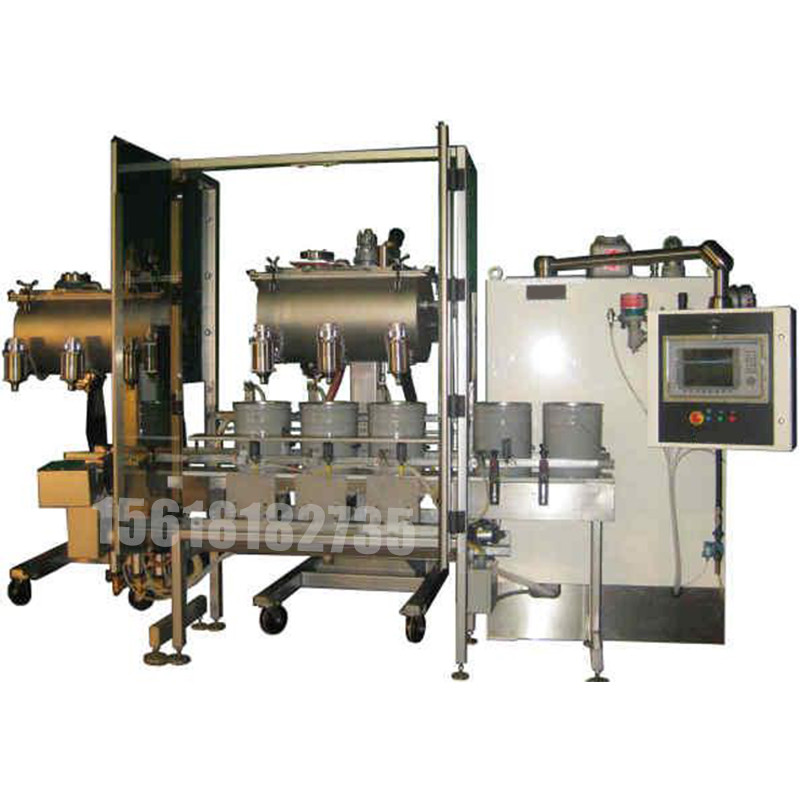
Most standard liquid filling machines operate in open or semi-sealed environments, unable to block airborne bacteria, mold spores, and micro-particle contamination during production. Conventional filling equipment cannot maintain constant sterile conditions, forcing manufacturers to rely heavily on chemical preservatives, high-temperature post-sterilization, or short shelf-life strategies. These compromises downgrade product quality, limit market competitiveness, and fail strict industry standards for pharmaceuticals, organic beverages, and biological solutions. This Google E-E-A-T compliant SEO article focuses exclusively on aseptic filling machines, a professional sterile filling technology never covered in our previous equipment guides. Designed with full sterile isolation and microbial control systems, it enables zero-contamination filling for high-purity, preservative-free liquid products in compliant industrial environments.
Modern consumers and regulatory bodies increasingly prioritize clean-label, preservative-free, and high-safety liquid products. However, traditional filling workflows face unavoidable microbial contamination risks in open workshop air, container transmission, and material transfer links. Even hot filling and vacuum filling technologies cannot eliminate secondary pollution during long-term continuous production. Aseptic filling machines fundamentally solve this industry pain point by integrating full-process sterile protection, intelligent environmental monitoring, and non-contact filling structures. Different from all ordinary filling equipment focused only on dosage accuracy and speed, it takes microbial safety as the core standard, achieving commercial sterile production without additives or secondary sterilization.
Working Principle of Aseptic Filling Machines
Aseptic filling machines adopt fully enclosed sterile isolation filling technology, with a unique working mechanism completely different from conventional filling systems. Core components include HEPA high-efficiency filter units, sterile isolation cabins, ultraviolet and hydrogen peroxide sterilization modules, non-contact filling nozzles, real-time microbial monitoring sensors, and CIP automatic cleaning systems. The entire production process operates in a positive-pressure sterile environment isolated from external air.
Before production startup, the whole machine and internal isolation cabin undergo full-range sterilization to eliminate residual bacteria and impurities. During formal operation, positive-pressure sterile air circulates continuously inside the closed cabin to block external polluted air infiltration. Pre-sterilized containers are automatically conveyed into the sterile zone without manual contact. The system completes precise non-contact filling and instant sealing in the isolated environment. Real-time sensors monitor temperature, humidity, and microbial concentration dynamically, automatically triggering sterilization and purification if standards deviate. After batch production, the automatic CIP cleaning system flushes all material pipelines and filling components to avoid bacterial breeding and cross-batch contamination.
Core Advantages Over Traditional Fillers
Professional aseptic sterile filling technology provides exclusive irreplaceable strengths for high-standard liquid production:
100% Preservative-Free Production. Full-process sterile control eliminates microbial reproduction conditions, enabling pure natural formula production without chemical preservatives and meeting global clean-label standards.
Zero Secondary Contamination Risk. Fully enclosed isolation and non-contact filling avoid air and manual pollution, ensuring high purity and safety of biological, medical, and organic liquid products.
Extended Product Shelf Life. Stable sterile packaging effectively inhibits bacterial and mold growth, greatly extending shelf life without damaging product nutrition, flavor, or activity ingredients.
Full Regulatory Compliance. It meets GMP, food safety, and pharmaceutical production standards, supporting factory certification and high-end market access for exported products.
Automatic Sanitary Maintenance. Integrated CIP self-cleaning and cyclic sterilization systems reduce manual cleaning errors and maintain long-term stable sterile production conditions.
Key Industrial Application Scenarios
Aseptic filling machines are professionally customized for high-purity sterile liquid production fields:
Organic Beverage Industry: Fresh juice, plant protein drinks, and zero-additive tea beverages requiring full sterile production and long room-temperature shelf life.
Biopharmaceutical Industry: Oral medicinal liquids, vaccine diluents, biological reagents, and sterile pharmaceutical solutions with strict microbial standards.
Dairy Processing Industry: Fresh milk, yogurt drinks, and probiotic dairy products sensitive to bacterial contamination and high-temperature damage.
High-End Cosmetic Industry: Sterile skincare essences, medical-grade cosmetic liquids, and additive-free beauty solutions for sensitive skin.
Technical Limitations & Selection Guidelines
Aseptic filling machines have clear application boundaries. The sterile isolation system requires strict workshop environment control and standardized operation processes, with higher procurement and operation costs than ordinary fillers. It is unnecessary for common low-end daily chemical and industrial liquids. It is the optimal choice for enterprises focusing on high-end sterile product production and international market certification.
Common Industry Misconceptions
Many manufacturers assume aseptic equipment is complicated to operate. Modern intelligent PLC systems integrate one-click sterilization, monitoring, and cleaning functions, realizing automated operation with simple training. Others worry high failure rates; modular sterile structures are precisely optimized for long-term stable industrial operation with low maintenance frequency.
Conclusion
Aseptic filling machines fill the market gap in high-standard sterile liquid production, solving microbial contamination, preservative dependence, and secondary pollution defects of traditional filling equipment. With full-process sterile isolation, zero-additive production capability, intelligent sanitary management, and strict regulatory compliance, it supports the upgrading of high-purity food, pharmaceutical, and cosmetic product lines. For manufacturing enterprises pursuing premium product safety, clean formula positioning, and high-end market expansion, aseptic filling machines are the most professional and reliable sterile automated filling solution.


