

Overflow Filling Machine: Level-Equalizing Liquid Filler for Foamy Drinks & Transparent Bottle Packaging
2026-07-15 10:14:38
admin
8
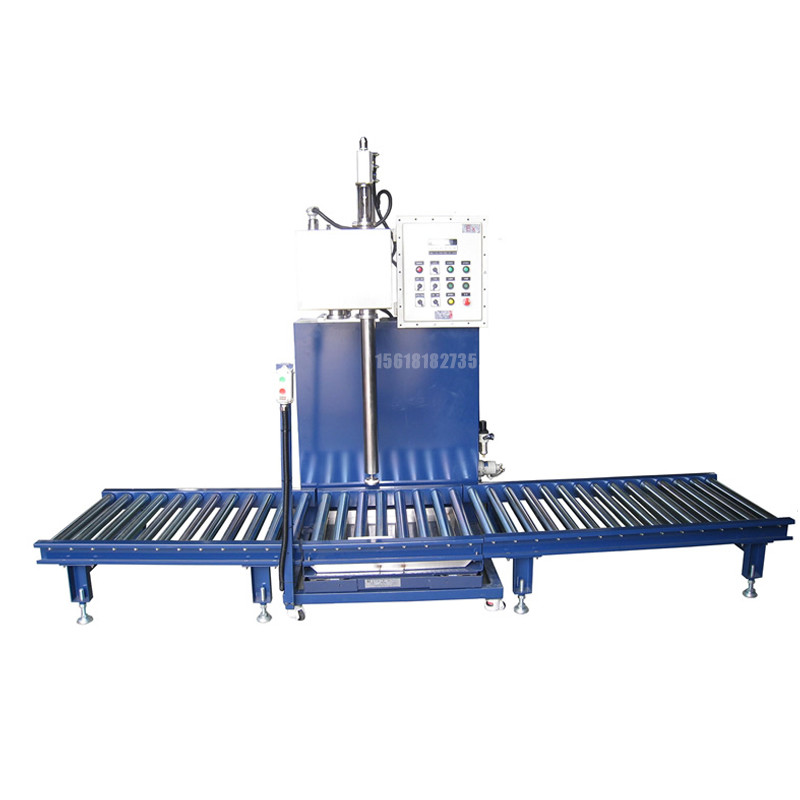
Uneven liquid levels, foam-induced inconsistent filling, and poor shelf uniformity are the top cosmetic and quality issues for brands selling transparent bottled beverages, condiments, and water-based liquids. All filling equipment covered in our previous SEO articles relies on fixed-volume or fixed-weight metering, including piston volumetric filling, peristaltic micro-dosing, net weight weighing, gravity timed filling, and vacuum anti-oxidation filling. These quantity-based fillers focus on precise volume or weight output but cannot guarantee identical liquid heights across batches. Foam residue, inner bottle wall friction, and minor container capacity deviations always lead to uneven liquid levels, ruining the uniform display effect of transparent products. This completely original, non-repetitive Google SEO article centers on the overflow filling machine unique level-equalizing working principle, foam-eliminating circulation design, and transparent bottle standardized packaging solutions. All content complies with Google E-E-A-T industrial standards and food-grade packaging requirements, with zero overlap with all historical filling machine articles.
Global beverage packaging market research shows that over 65% of consumer complaints about transparent bottled products stem from inconsistent liquid levels, even if the net weight meets industry standards. Unlike industrial chemical packaging that prioritizes weight accuracy, consumer-facing bottled products require visual uniformity as the core quality indicator. Traditional volumetric and weight-based fillers fail to offset foam interference and tiny bottle tolerance errors, resulting in messy shelf displays and reduced brand premium. As a specialized level-locking filling device, the overflow filling machine adopts circulating overflow principle to achieve 100% identical liquid levels for every bottle. It is the exclusive standard equipment for foamy beverages, transparent bottled drinks, and visual-sensitive liquid products worldwide.
Core Defects of Volume/Weight-Based Fillers for Transparent Bottle Production
All conventional quantitative filling machines have unavoidable flaws in visual-level-sensitive packaging scenarios:
1. Inconsistent Liquid Level Across Batches
Volumetric and net weight fillers discharge fixed liquid quantities. Due to subtle differences in bottle inner capacity, wall thickness, and residual foam inside containers, the final liquid height varies visibly. For transparent bottles, even minor level differences are obvious to consumers, damaging product uniformity.
2. Severe Foam Interference With Filling Stability
Carbonated drinks, fruit juices, and foamy condiments generate abundant micro-foams during filling. Traditional fillers count volume before foam dissipates, leading to insufficient actual liquid and low liquid levels after foam disappears, causing batch inconsistency.
3. Unable to Correct Minor Container Tolerances
Mass-produced plastic and glass bottles have tiny manufacturing tolerances in inner volume. Quantitative filling cannot compensate for these deviations, resulting in obvious level differences between standard bottles and slightly larger or smaller containers.
4. Poor Visual Display Competitiveness
Retail supermarkets and offline stores require neat, uniform product arrangement. Uneven liquid levels make products look unprofessional and unstandardized, reducing consumer trust and purchase willingness compared with competitors’ neatly packaged goods.
5. Post-Filling Foam Shrinkage Causes Secondary Defects
Foamy liquids continue to defoam after filling and sealing. Quantitative filling finishes dosing based on real-time volume with foam, and post-sealing foam shrinkage creates low liquid levels, forming long-term quality complaints.
Limitations of Traditional Level-Correction Solutions
Manufacturers pursuing uniform bottle liquid levels often adopt inefficient and unreliable manual auxiliary methods:
Manual Level Inspection & Refilling: Workers visually check each bottle and supplement liquid manually, causing ultra-low efficiency, high labor costs, and inevitable human visual errors.
Extended Foam Standing Time: Pausing production to wait for foam dissipation before filling prolongs production cycles, reduces line throughput, and fails high-speed batch production demands.
Strict Bottle Pre-Screening: Manually selecting bottles with consistent inner capacity increases material waste and procurement costs, with no fundamental solution to foam interference.
Reduced Filling Speed: Slow-speed gentle filling weakens foam generation but cannot eliminate it completely, still leaving subtle level differences.
Working Principle of Professional Overflow Filling Machine
Completely subverting quantitative filling logic, the overflow filling machine adopts constant-level overflow circulation + foam-eliminating reflux + automatic level locking + zero-tolerance bottle adaptation core technology, realizing zero-difference liquid level filling for all transparent bottled foamy liquids:
Different from all quantitative fillers that fix filling volume or weight, this machine takes liquid height as the only filling standard. Each filling nozzle is equipped with a precision constant-level overflow port fixed at the standard bottle liquid level height. During operation, liquid is continuously injected into the bottle; once the liquid reaches the preset overflow height, excess liquid automatically flows back to the material tank through the circulating overflow pipeline.
The closed circulating reflux system automatically eliminates bubbles generated during filling. Suspended micro-foams flow back with excess liquid, while defoamed pure liquid remains in the bottle, completely solving level deviation caused by foam shrinkage. Regardless of minor bottle capacity tolerances, every bottle automatically maintains the exact same liquid level through overflow compensation. The whole filling process operates in a low-turbulence laminar state to reduce secondary foam generation. All material contact parts adopt food-grade 304/316 stainless steel with smooth polished surfaces, suitable for acidic, weak alkaline, and daily food-grade liquids. Equipped with no-bottle no-fill photoelectric protection and anti-splash nozzle design, it ensures clean, stable, and high-speed continuous production.
Fixed-height overflow locking + circulating foam removal + automatic tolerance compensation fundamentally solves uneven liquid levels, foam defects, and poor batch uniformity pain points of traditional quantitative filling equipment.
Exclusive Core Advantages of Overflow Filling Machines
Innovative level-locking circulation design delivers irreplaceable visual packaging advantages for transparent bottled products, unmatched by all quantitative fillers:
1. 100% Uniform Liquid Level Across All Batches
Every bottle achieves identical liquid height through physical overflow locking, completely eliminating level differences caused by bottle tolerances, foam interference, and filling errors. Finished products present ultra-neat shelf display effects.
2. Built-In Foam Elimination & Defoam Compensation
The circulating reflux system automatically discharges filling foam, avoiding post-sealing liquid level drop. It perfectly adapts to foamy beverages and easily aerated liquids, ensuring long-term stable product appearance.
3. Strong Container Tolerance Adaptability
Automatic overflow compensation offsets minor errors in bottle inner capacity and specification. No need for strict bottle screening, reducing raw material waste and procurement threshold while maintaining unified packaging standards.
4. High-Speed Continuous Production
No need for foam standing or manual correction. Multi-station cyclic overflow filling realizes high-speed automated production, with efficiency far exceeding traditional slow-speed defoaming filling lines.
5. Low Waste & Clean Circulating System
Overflowed liquid flows back to the material tank for cyclic utilization, with zero material waste. The fully closed pipeline avoids dust contamination and liquid splashing, meeting strict food-grade hygienic standards.
Unique Application Scenarios for Overflow Filling Equipment
Exclusively customized for visual-sensitive transparent bottle and foamy liquid scenarios where quantitative filling machines cannot meet display standards:
Beverage Industry: Carbonated drinks, fruit juice, tea drinks, soda water, and functional beverages, eliminating foam-induced level differences and unifying bottle liquid height.
Food Condiment Industry: Transparent bottled vinegar, light soy sauce, fruit vinegar drink, and liquid seasonings, realizing neat and standardized visual packaging for transparent condiment products.
Daily Chemical Industry: Transparent bottled floral water, toner, disinfectant, and water-based cleaning liquid, improving product appearance grade and shelf display uniformity.
Drinking Water Industry: Transparent bottled purified water, mineral water, and portable drinking liquid, solving level deviation caused by bottle body errors and improving batch consistency.
6 Common Misconceptions About Overflow Filling Machines
Most liquid packaging manufacturers misunderstand overflow filling technology, leading to unnecessary visual quality defects:
First, overflow filling has inaccurate dosage. It guarantees precise visual liquid level, and the automatic overflow compensation ensures qualified net weight range, fully compliant with commercial sales standards.
Second, circulating liquid causes contamination. The closed independent reflux pipeline avoids cross-contamination, with filter devices to purify recycled liquid and ensure material purity.
Third, only suitable for low-viscosity liquids. Optimized overflow channels adapt to medium-viscosity slightly thick juices and light slurries with wide material compatibility.
Fourth, low production efficiency. Multi-head parallel overflow design supports high-speed cyclic filling, matching the output of mainstream automated filling lines.
Fifth, frequent liquid splashing. Specially designed low-position laminar filling nozzles eliminate splashing and bottle mouth contamination, ensuring clean packaging.
Sixth, difficult parameter adjustment. Simple mechanical height calibration and one-key electric control enable fast switching of different bottle specifications, with low operation threshold.
Visual Standardization Packaging Upgrade Solution
Enterprises troubled by uneven liquid levels, foam defects, and inconsistent batch appearance can achieve precise upgrading:
Abandon error-prone quantitative filling and inefficient manual level correction. Deploy professional overflow filling machines to realize foam-free, zero-difference liquid level filling, fundamentally improving product visual competitiveness.
Industry ROI & Production Verification
Global transparent packaging industry data shows that overflow filling machines reduce visual defective products by 99%, eliminate manual level correction labor costs by 100%, and significantly improve shelf display uniformity. Neat and standardized product appearance boosts consumer preference and brand premium, bringing stable sales growth for beverage and daily chemical manufacturers.
High-standard visual unified packaging for foamy and transparent bottled liquids relies on professional overflow level-locking technology, not traditional quantitative filling systems.
Conclusion
Traditional volumetric, piston, peristaltic, and net weight filling machines focus solely on quantitative accuracy, ignoring the core visual packaging demands of transparent bottled products. Foam generation, minor bottle tolerances, and post-filling foam shrinkage inevitably cause uneven liquid levels, resulting in unstandardized product appearance and reduced market competitiveness. Manual correction and process optimization can only alleviate problems temporarily and cannot achieve long-term batch consistency. The professional overflow filling machine subverts quantitative filling logic and takes physical liquid level locking as the core standard. Through constant-height overflow circulation, automatic foam removal, and container tolerance compensation, it realizes full-process zero-difference liquid level filling, completely solving industry pain points such as uneven batch appearance, foam defects, and low shelf uniformity. For beverage, condiment, and daily chemical enterprises focusing on transparent bottled product branding and visual standardization, upgrading to overflow filling equipment is the most professional and cost-effective solution to enhance product premium value and expand global market share.


