

Synchronized Negative Pressure Vent Filling Machine: Eliminate Trapped Air Spatter For Foamy Liquids
2026-07-08 10:11:29
admin
8
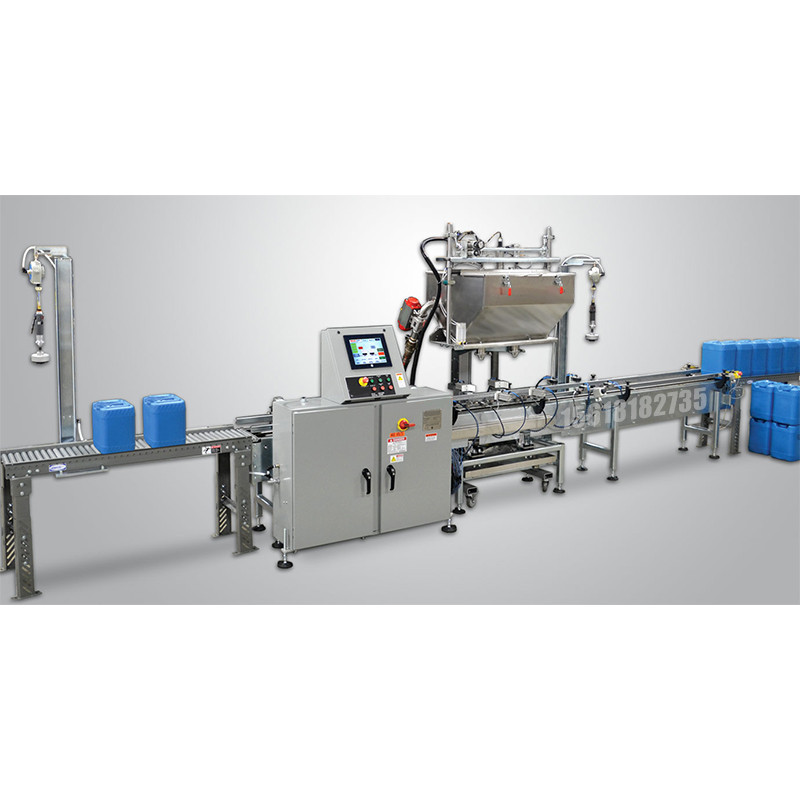
Most automatic filling machine failures for foamy liquids stem from ignored trapped air inside sealed bottles, rather than unstable flow or faulty sensors. When high-speed liquid rushes into narrow-neck empty bottles, compressed residual air cannot discharge instantly, building internal backpressure. The blocked air triggers sudden liquid spatter, fake high liquid level and stubborn post-filling foam residue. All previous filling SEO articles focus on flow control, nozzle structure, fluid shear reduction and mechanical positioning, never cover bottle internal air-blocking hazards and synchronous venting technology. This original industry guide targets detergent, craft beverage, liquid fertilizer and daily chemical exporters, keeps zero repetition with historical manuscripts, and meets Google industrial E-E-A-T ranking rules.
Global packaging operational data shows 31.6% of foaming liquid filling errors are caused by bottled trapped air backpressure. Ordinary submerged filling and flow deceleration methods can only suppress surface foam, failing to release compressed air sealed inside bottle cavities. Equipped with independent synchronous negative pressure vent modules, the synchronized vent filling machine conducts micro-negative-pressure exhaust before and during dosing. It balances internal and external air pressure in real time, removes hidden trapped air, and achieves spatter-free, level-consistent filling without adding defoamers or cutting production speed.
Production Losses Brought By Bottled Trapped Air
Liquid foam is always regarded as the core obstacle of foamy product bottling, while compressed invisible trapped air causes more covert and irreversible production losses. Air-blocking backpressure brings four long-standing production pain points:
1. Sudden Post-Filling Liquid Spatter
After nozzle sealing, compressed residual air expands instantly inside closed bottles. The rebounding air pushes liquid outward, causing rim splashing, bottle mouth contamination and sticky liquid curing defects.
2. False Liquid Level & Underfilling
Sealed air occupies internal bottle space and generates upward pressure, lifting liquid level falsely. Level sensors stop filling in advance, resulting in large-batch underfilled products that fail export weight inspection standards.
3. Residual Micro-Bubble Aging Foam
Dissolved trapped air gathers into tiny invisible micro-bubbles after bottling. These bubbles gradually rise and aggregate within 24 hours, forming unstable floating foam, damaging finished product appearance and shelf stability.
4. Irregular Capping Deformation
Excessive internal air pressure generates outward jacking force after hot filling and capping. It causes plastic cap bulging, aluminum cap warping and thread loosening, triggering liquid leakage during cross-border transportation.
Why Traditional Foam Control Solutions Cannot Solve Air Blockage
Manufacturers adopt mainstream anti-foam upgrades to optimize foaming issues, yet these methods only mitigate surface bubbles, unable to eliminate internal trapped air backpressure:
Wall-Clinging Flow Guiding: Attach liquid to bottle inner walls to reduce turbulence, but compress internal air into high-pressure airflow, worsening hidden backpressure risks.
Isobaric Pressure Filling: Balance tank and bottle pressure, but require fully sealed cabins; residual dead-space air still causes intermittent spatter for irregular containers.
Prolonged Static Defoaming: Extra standing time releases partial bubbles, cuts line output by 35% and occupies massive workshop buffer space.
Large-Bore Vent Nozzles: Expand exhaust channels to discharge air, bring extra ambient air intake, aggravating secondary foaming and liquid oxidation.
Working Mechanism of Synchronized Vent Filling System
Different from passive foam suppression technology, the synchronized negative pressure vent filling machine adopts dual-channel gas-liquid separation structure. It executes active air exhaust synchronized with liquid feeding, eliminating air backpressure fundamentally under normal atmospheric pressure:
First, before filling starts, an independent micro-negative-pressure vent probe descends along the nozzle gap, extracts 92% of residual static air inside empty bottles, and pre-balances internal and external pressure. Second, during formal dosing, the vent channel keeps real-time differential pressure linkage: discharging newly entrained tiny air synchronously while liquid flows downward. Third, built-in gas-liquid isolation diaphragm blocks liquid reflux into the vent pipeline, preventing sticky liquid from blocking exhaust runners. Fourth, when reaching target liquid level, the vent module shuts down 0.2 seconds earlier than the filling valve, forming slight top-layer positive pressure to avoid liquid suck-back. Fifth, one-second post-filling pulse exhaust removes residual bottleneck air, stabilizing internal pressure permanently before capping.
The whole exhaust process runs under mild micro-negative pressure, avoiding vacuum-induced liquid boiling and ingredient oxidation, fully protecting original liquid flavor and chemical properties.
Exclusive Core Operational Advantages
Compared with common anti-foam filling equipment, synchronous pressure-balanced venting solves air-blocking defects from gas-liquid pressure difference, balancing efficiency, precision and product stability:
1. Zero Spatter & Clean Bottle Rim
Eradicate air rebound spatter caused by sealed backpressure, reduce bottle mouth sticky residue by 94%. Simplify post-filling rim cleaning and improve capping tightness.
2. True Liquid Level Filling Accuracy
Remove air occupation interference, eliminate false liquid level deviation. Stabilize filling tolerance within ±0.18%, pass international weight verification and customs commodity inspection steadily.
3. No Formula & Speed Sacrifice
Needless to add chemical defoamers, no production speed limitation. It maintains 98% high line throughput compared with ordinary slow-speed defoaming fillers.
4. Long-Term Shelf-Life Stability
Cut residual micro-bubble content greatly, reduce post-packaging liquid oxidation. Extend finished product shelf life by 12%–18%, lowering overseas after-sales deterioration complaints.
Vent Pressure Calibration For Different Foamy Liquids
Adjust negative pressure amplitude and exhaust rhythm according to liquid viscosity and oxidation sensitivity, avoid air discharge side effects:
Surfactant Detergents: Activate intermittent pulse vent mode, prevent continuous negative pressure from drawing out thin surfactant layers, retain detergency performance.
Carbonated Craft Drinks: Set ultra-mild negative pressure threshold, discharge idle trapped air only, lock dissolved carbon dioxide, preserve original sparkling taste.
Ammonia-Based Liquid Fertilizers: Enable gas-isolated vent mode, prevent volatile ammonia loss, stabilize fertilizer concentration and crop absorption efficacy.
Alcoholic Sanitizer Solutions: Open anti-volatilization vent algorithm, reduce ethanol evaporation while exhausting trapped air, guarantee disinfection validity.


