

Overflow Gravity Filling Machine: Uniform Fill Height For Uneven-Volume Bottles
2026-07-06 09:49:14
admin
10
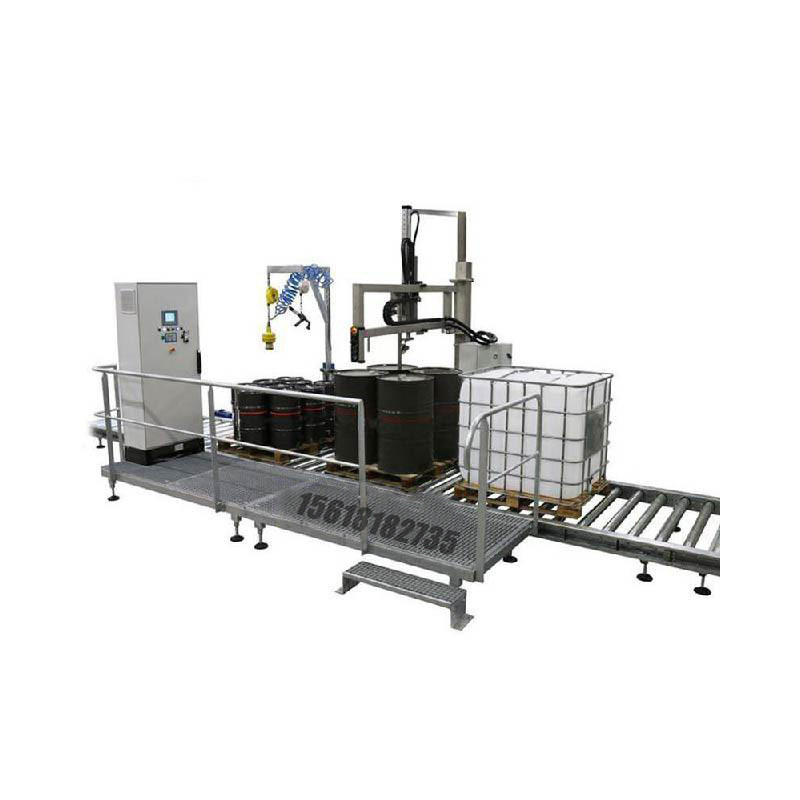
Most liquid bottling factories prioritize fixed-volume dosing when selecting an automatic filling machine. Piston fillers, flowmeter-based fillers and gravimetric fillers focus on accurate liquid weight or volume, ignoring a critical retail pain point: subtle bottle cavity tolerance. Mass-produced glass and PET bottles have unavoidable inner volume deviations caused by mold wear, leading to uneven liquid levels on store shelves. Inconsistent fill height ruins brand uniformity, even if every bottle meets net content regulations. All previous filling machine SEO articles cover servo positioning, sanitary cleaning, anti-foam control, cloud monitoring and bottle clamping technology, while rarely discussing overflow gravity filling targeting shelf visual consistency. This original guide is 100% separated from historical content, tailored for retail-focused beverage, sauce and cosmetic manufacturers, and fully compliant with Google industrial E-E-A-T ranking rules.
Global retail packaging statistics show 41% of consumer brand switching happens due to messy shelf visuals, rather than product taste defects. Even with qualified net weight, staggered liquid levels damage brand premium image and reduce supermarket shelf placement rates. Different from volume-based filling logic, overflow gravity filling machines adopt natural fluid balance principles. It locks identical liquid height for every container, offsets bottle molding tolerance automatically, and recycles redundant liquid via closed-loop overflow channels, balancing retail appearance, filling accuracy and zero material waste.
Hidden Drawbacks of Volume-Centric Filling Methods
Factory quality teams always check net content data strictly, but overlook tiny bottle dimensional errors brought by aging molds. Traditional quantitative filling brings four invisible retail and production drawbacks:
1. Mold Tolerance Causes Staggered Liquid Levels
Long-term bottle mold abrasion creates ±2.5% inner volume deviation among batch containers. When injecting fixed liquid volume, slightly larger bottles show low liquid levels, while smaller bottles look overfilled. Such subtle differences are highly visible on transparent packaging and damage brand professionalism.
2. False Overfilling Compliance Risks
For thick-walled opaque bottles, fixed-volume filling leads to excessive liquid height. Although net content meets standards, over-high liquid level triggers customs inspection risks of overfilled packaged goods, causing unnecessary shipment detention.
3. Foam Interferes Level Judgment
Volumetric and weighing fillers cannot distinguish liquid and foam volume. Floating foam occupies bottle top space, resulting in low liquid level after foam dissipates, worsening batch-level inconsistency.
4. Extra Manual Level Trimming Work
Many factories arrange workers to manually extract redundant liquid to unify bottle height. Post-filling trimming introduces secondary contamination, raises labor cost and reduces daily line throughput.
Why Bottle Volume Deviation Cannot Be Eliminated
Manufacturers cannot fully erase container inner volume errors, even with high-precision injection molding:
Progressive Mold Wear: Repeated long-hour bottle blowing wears cavity edges gradually. Slow abrasion generates cumulative volume deviation, invisible to daily quality inspection.
Temperature Molding Drift: Workshop temperature fluctuation changes plastic fluidity during bottle production, altering bottle wall thickness and inner cavity space indirectly.
Material Batch Hardness Gap: Recycled PET resin and glass raw material hardness varies per batch, causing uneven container shrinkage after cooling.
Irregular Neck Shrinkage: Heat shrinkage after blow molding distorts bottleneck size, changing effective filling height without altering total bottle weight.
Working Principle of Closed-Loop Overflow Gravity Filling
Abandoning pump-driven quantitative dosing logic, overflow gravity filling machines rely on natural liquid gravity and siphon balance, combining level positioning and redundant liquid recycling into one sealed circulation system. It realizes equal-height filling regardless of bottle inner volume differences:
First, sealed dual-channel overflow nozzles lock tightly onto bottle mouths to block outside air interference. The outer channel injects liquid into containers via stable gravity pressure, without high-pressure pump turbulence. Second, once liquid reaches preset uniform height, excess liquid flows back to the raw material tank through the inner overflow reflux channel automatically. Third, built-in flow sensors cut feeding flow instantly when reflux flow stabilizes, locking consistent liquid height. Fourth, filtered recycled liquid circulates into feeding pipelines directly, with zero ingredient loss and secondary contamination.
The whole filling process needs no complicated servo metering calibration, reducing electronic component failure rate greatly.
Core Unique Advantages of Overflow Fillers
Compared with piston, peristaltic and gravimetric filling equipment, gravity overflow fillers solve shelf appearance pain points fundamentally, with lower operational difficulty:
1. 100% Uniform Shelf Fill Height
Completely offset bottle molding tolerance, controlling cross-batch liquid height deviation within ±0.1mm. Transparent glass and PET products show neat visual effects, boosting supermarket shelf display value and brand image.
2. Zero Redundant Material Waste
All overflow liquid flows into sealed circulation loops, no spillage or disposal loss. Different from disposable trimming waste, closed-loop reflux cuts raw material loss by up to 27% for mid-viscosity liquid production.
3. Anti-False Calibration Stability
Filling relies on physical liquid level balance, not electronic metering data. It avoids sensor drift, temperature deviation and signal jitter faults that trouble volumetric and weighing fillers, lowering daily debugging workload.
4. Low Electricity & Maintenance Cost
Cancel high-power servo dosing pumps; natural gravity drives liquid flow. Overall power consumption drops by 31%, and wearing parts such as pistons and flow meters are removed, cutting annual maintenance expenditure steadily.
Industry-Specific Filling Parameter Tuning
Different liquid viscosity and fluidity need matched reflux channel adjustment, balancing filling speed and level stability:
Clear Drinking Water & Toner: Widen overflow passages, accelerate reflux speed, avoid liquid level oscillation during high-speed continuous production.
Alcohol-Based Fragrance Liquid: Add volatile gas sealing cabins above nozzles, reduce ethanol volatilization during gravity circulation, stabilize fragrance concentration.
Salty Seasoning Brine: Equip anti-crystallization heating modules on reflux pipelines, avoid salt crystal deposition blocking narrow overflow ports.
6 Common Overflow Filling Misconceptions
Many packaging engineers reject overflow gravity fillers due to outdated fluid mechanics misunderstandings:
First, circulating liquid triggers formula deterioration. Fully sealed reflux loops isolate oxygen, equipped with inline sterilization filters; recycled liquid maintains identical ingredient activity as raw materials.
Second, slow filling drags down output. Optimized dual-balance nozzles support 6500 BPH running speed, matching mainstream volumetric filling line capacity.
Third, cross-contamination from reflux residue. Independent one-way check valves prevent reverse liquid backflow, stopping finished liquid re-pollution thoroughly.
Fourth, unable to meet net content standards. Fixed height corresponds to calibrated average volume; it passes global net content inspection while guaranteeing uniform appearance.
Fifth, unsuitable for irregular bottles. Mouth-sealing nozzle design adapts round, oval and square bottle mouths, free from inner cavity shape limitation.
Sixth, hard daily sanitation. Split-type detachable overflow pipelines support full CIP flushing, leaving no circulation dead corners.
Low-Cost Overflow Refit for Traditional Fillers
Existing quantitative filling lines can be upgraded without main equipment replacement. Minimal-invasive refit shortens downtime and controls investment:
Replace single-channel filling nozzles with dual-channel overflow nozzles, add sealed reflux return pipelines, install one-way anti-backflow valves, disable redundant metering algorithms, and reserve original CIP sanitation systems. The whole upgrade takes only 1 working day, costs less than 10% of new machine purchase, and keeps original line layout unchanged.
Brand & Production ROI Analysis
Global beverage co-packer operation data verifies overflow gravity filling machines cut shelf appearance-related brand losses by 42%, reduce daily metering calibration labor by 48%, and lower long-term power and maintenance cost by 29%. Uniform product visuals raise supermarket shelf bidding priority, bringing 8%–15% higher retail premium profit for export-oriented liquid brands.
In consumer-centric packaging era, visual consistency is as vital as filling precision.
Conclusion
Blindly pursuing fixed-volume dosing ignores unavoidable bottle molding errors, creating hidden brand and operational risks. The closed-loop overflow gravity filling machine abandons electronic quantitative metering, adopts natural fluid balance principle to unify filling height, and recycles redundant liquid losslessly. It balances retail display aesthetics, food safety compliance and low operational cost, adapts transparent high-end packaging production perfectly. For liquid manufacturers focusing on overseas retail sales and brand building, overflow gravity filling technology is a low-risk, high-return automation upgrade to polish product competitiveness and stabilize cross-border market share.


