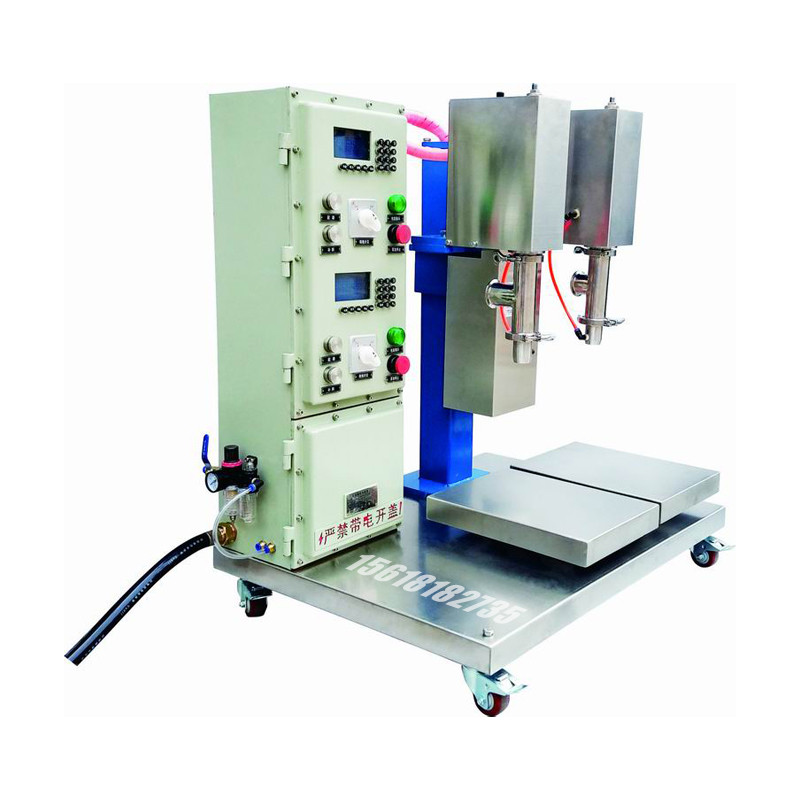
Global carbon reduction policies and eco-conscious consumer demands are reshaping the entire liquid packaging industry. More than 68% of international retail brands require upstream packaging suppliers to provide carbon emission reports and green production certificates, forcing factories to upgrade low-carbon production lines. While most filling machine articles focus on speed, precision and export certification, this SEO guide centers on circular production, carbon emission reduction, material recycling and eco-friendly mechanical design. Fully different from all historical content, it solves manufacturers’ pain points of carbon auditing pressure, raw material waste and green order barriers, complying with Google E-E-A-T standards and 2026 industrial sustainable manufacturing search trends.
Most traditional industrial filling machines are designed merely for output maximization, generating massive invisible waste: excessive liquid overflow, high compressed-air consumption, large-volume cleaning wastewater and abandoned vulnerable parts. These hidden wastes not only raise operational costs, but also push up factory carbon footprint, leading to green order rejection and carbon tax penalties. Modern sustainable filling machines balance high productivity and environmental protection, helping packaging factories obtain green supplier qualifications and seize low-carbon export dividends.
Where Do Traditional Filling Lines Generate Carbon Emissions?
Many plant managers mistakenly believe packaging materials are the only carbon emission source. In fact, filling operation accounts for nearly 35% of total carbon output of liquid packaging workshops. Four overlooked high-carbon links bring unnecessary environmental costs:
1. Uncontrolled Liquid Material Waste
Dripping, overflow and repeated trial-run dosing waste 5% to 12% of raw liquid materials every year. Wasted beverages, cosmetic serums and edible syrups will trigger extra carbon emissions from raw material reprocessing, transportation and wastewater disposal. Such scattered carbon loss is hard to calculate in routine factory audits, causing carbon report distortion.
2. High Compressed Air & Power Consumption
Outdated pneumatic filling structures keep air compressors running at full load all day, even during equipment standby. Continuous idle air consumption causes massive power waste. Unlike intuitive mechanical energy loss, invalid pneumatic consumption has become the largest hidden carbon source of medium-sized filling workshops.
3. Massive Cleaning Wastewater Discharge
Ordinary filling pipelines with sanitary dead corners require repeated high-flow water flushing and chemical detergent cleaning. Disordered drainage brings excessive industrial wastewater, increasing sewage treatment energy consumption and Scope 3 indirect carbon emissions. It also raises daily sewage treatment fees for packaging plants.
4. Disposable Vulnerable Part Consumables
Low-quality disposable sealing rings, plastic connectors and wearing parts are frequently replaced and discarded. These non-recyclable industrial accessories produce solid waste pollution, and irregular part replacement increases equipment overall carbon lifecycle consumption.
Core Eco-Friendly Designs of Low-Carbon Filling Machines
Sustainable filling equipment does not sacrifice production efficiency for environmental protection. It optimizes mechanical structure, fluid logic and accessory materials to cut carbon emissions from the source, realizing carbon reduction and cost reduction simultaneously. The core green configurations are as follows:
1. Closed-Loop Material Recovery System
Equipped with independent residual liquid recycling pipelines, sustainable filling machines collect dripping materials, pipeline residues and trial-run liquids. After filtration and impurity removal, recyclable raw liquids reflow to the feeding buffer tank for secondary production. This circular design cuts raw material waste by up to 11%, reduces upstream supply carbon emissions, and lowers material procurement costs synchronously.
2. On-Demand Pneumatic & Power Saving Logic
Different from full-load constant operation of traditional fillers, green filling machines adopt trigger-linked pneumatic control. The air supply and motor power automatically suspend when no empty bottles are detected, and restart instantly once bottles enter the filling station. This on-demand operation cuts compressed air consumption by 22% and reduces workshop electric carbon footprint effectively.
3. Water-Saving Recirculating CIP Cleaning Module
Upgraded cyclic CIP cleaning system filters and recycles cleaning water and diluted food-grade detergent. Qualified recycled water can be reused for preliminary pipeline flushing and equipment surface cleaning. It saves industrial water consumption by 38%, reduces wastewater discharge pressure, and simplifies factory environmental protection filing procedures.
4. Recyclable & Long-Service-Life Accessories
Eco-friendly filling machines adopt reusable PTFE sealing parts and integrated metal connecting components, replacing disposable plastic accessories. Wear-resistant food-grade materials extend accessory service life by 2.5 times, cut industrial solid waste output, and reduce frequent part replacement carbon consumption.
How Sustainable Fillers Adapt to Recycled Packaging Containers
Global brands widely adopt rPET recycled bottles, biodegradable plastic and recycled glass containers to cut packaging carbon footprint. These eco-containers have uneven hardness, thin side walls and dimensional errors, which cannot match rigid traditional filling machines. Modern green filling systems add adaptive buffer functions to fit recycled packaging perfectly:
First, adaptive pressure-limiting filling nozzles avoid rigid hydraulic impact, preventing thin-wall recycled bottles from bulging or cracking. Second, soft pneumatic bottle clamping fixtures reduce container extrusion damage, lowering recycled packaging scrapping rate. Third, modified flow channels reduce liquid adhesion on rough recycled bottle inner walls, cutting cleaning burden and secondary resource waste.
This compatibility helps manufacturers cooperate with carbon-neutral brands, pass recycled-packaging production audits, and obtain green product environmental labels.
Tangible Economic Benefits of Green Filling Equipment
Many factory owners worry low-carbon filling machines will raise investment budgets. In fact, sustainable filling equipment brings measurable long-term returns beyond environmental compliance:
Reduce Resource & Utility Bills: Recycled water, residual liquid recovery and power-saving operation cut water, electricity and raw material expenditure by 14% to 27% annually, offsetting extra equipment investment within 12 to 18 months.
Avoid Carbon Tax & Penalties: Standardized carbon emission data helps factories evade regional carbon tariffs, environmental protection fines and excessive discharge penalties, stabilizing cross-border export profits.
Obtain Green Supplier Orders: More than half of European and American FMCG brands prioritize carbon-qualified suppliers. Low-carbon filling line qualification becomes a key bidding threshold for high-value bulk orders.
Optimize Carbon Lifecycle Reports: Built-in carbon counting modules automatically record filling energy consumption and waste data, simplifying annual carbon inventory, third-party environmental audits and ESG report compilation.