

Overflow Filling Machine: Level-accurate Liquid Filling for Foamy & Low-Viscosity Liquids
2026-09-03 08:11:13
admin
0
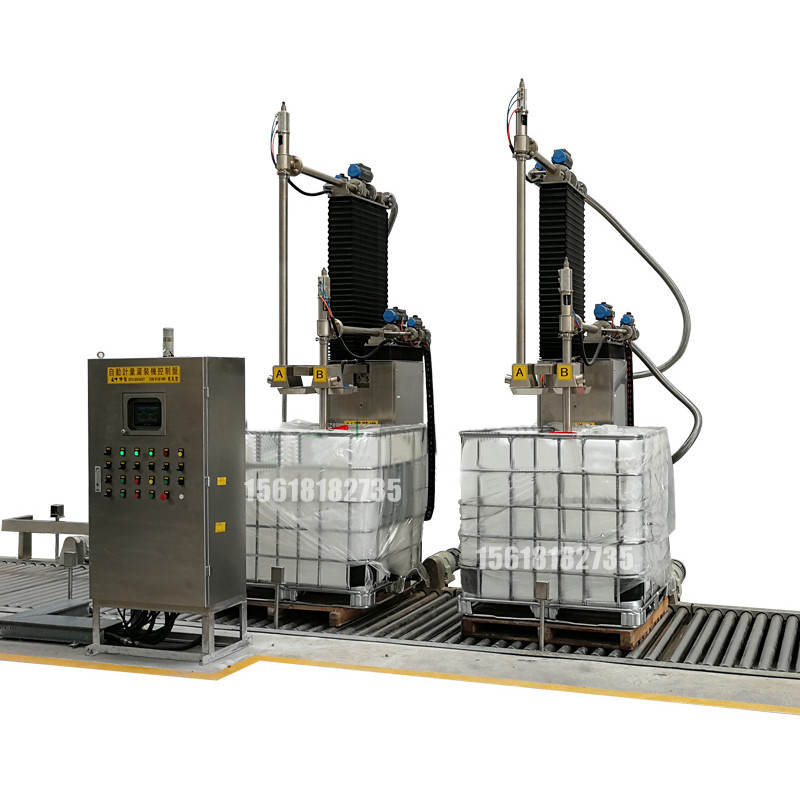
Most conventional filling machines rely on fixed volumetric or weight-based metering, which struggles with foamy, low-viscosity liquids that trap air during fast filling. Piston and gravity fillers often produce inconsistent liquid levels across bottles, even when the measured volume is identical, ruining shelf uniformity and triggering customer complaints. Foam overflow, liquid splashing, and post-filling dripping further cause material waste, sticky bottle necks, and messy production environments. This issue is widespread in beverage, condiment, and chemical industries, where uniform liquid level is more critical than precise weight. This Google E-E-A-T compliant SEO article focuses exclusively on overflow filling machines, a specialized level-based filling solution never covered before, designed to deliver visually consistent, bubble-free liquid packaging for foamy fluid products.
An overflow filling machine is a unique liquid packaging system engineered for level-controlled filling, differing fundamentally from volume or weight-based fillers. It utilizes overflow return technology to ensure every container reaches the exact same liquid height, regardless of minor tolerance differences in bottle wall thickness or internal capacity. Equipped with anti-foam submerged filling nozzles, automatic liquid return pipelines, fast-response solenoid valves, and PLC speed adjustment modules, it suppresses bubble generation and recycles excess liquid automatically. This design eliminates foam overflow and dripping issues, delivering perfectly aligned liquid levels for every finished bottle, which greatly improves product retail appearance and batch consistency.
Working Principle of Overflow Filling Machines
Overflow filling equipment adopts submerged anti-foam feeding and circulating overflow recovery technology, featuring a level-calibrated filling mechanism unmatched by traditional metering systems. Core components include lift-type filling nozzles, sealed liquid tanks, overflow recovery pipes, flow control valves, and bottle positioning sensors.
During automated operation, empty bottles are precisely positioned under filling nozzles, which descend into the bottle mouth to achieve submerged filling. Liquid flows steadily from bottom to top, effectively pushing trapped air outward and inhibiting foam formation. Once the liquid reaches the preset level, excess fluid flows back to the main material tank through the overflow pipeline, forming a closed circulating system. The valve cuts off liquid supply instantly when level balance is achieved, while the anti-drip structure prevents residual liquid from staining bottle necks. The entire process guarantees identical liquid height for every container, solving the core defect of uneven levels caused by bottle specification deviations.
Core Industrial Advantages
Level-based circulation filling and anti-foam design bring exclusive strengths for foamy liquid production:
Perfect Level Uniformity. Overflow calibration ensures all finished bottles share the same liquid height, delivering high-end unified shelf display effects for retail products.
Effective Foam Suppression. Submerged bottom-up filling avoids violent liquid agitation, drastically reducing foam generation and eliminating overflow waste.
Zero Drip & Clean Production. Closed liquid circulation and automatic cutoff prevent nozzle dripping, keeping bottle surfaces and production lines clean and tidy.
Strong Bottle Adaptability. It tolerates minor dimensional errors in low-cost plastic and glass bottles, reducing defective rates caused by container inconsistencies.
High Operational Efficiency. Continuous circulating filling requires no complex weight calculation, supporting stable high-speed operation and lowering maintenance difficulty.
Key Industrial Applications
Overflow filling machines are widely used for low-viscosity, foam-prone liquid packaging scenarios:
Beverage Industry: Fruit juices, tea drinks, purified water, and non-carbonated functional beverages requiring neat liquid levels.
Condiment Industry: Vinegar, light soy sauce, brine, and liquid seasonings with easy-foam characteristics during filling.
Daily Chemical Industry: Mild detergent, disinfectant, and low-viscosity cleaning liquids sensitive to foam and splashing.
General Chemical Industry: Low-viscosity chemical solvents and liquid additives requiring clean and uniform packaging.
Limitations & Selection Tips
Overflow fillers are optimized for low-viscosity fluids and cannot handle high-viscosity pastes, powders, or granular materials. Manufacturers pursuing ultra-precise weight standards should combine this machine with secondary weighing inspection equipment.
Common Industry Misconceptions
Many buyers believe overflow filling causes material waste. In fact, all excess liquid flows back to the tank through a closed loop, achieving 100% material utilization without any waste during production.
Conclusion
Overflow filling machines fill the industry gap of level-unified, foam-free liquid filling that volumetric and weight fillers cannot resolve. With anti-foam submerged filling, closed-loop liquid recycling, consistent bottle levels, and clean production performance, it solves core pain points of uneven retail appearance and foamy liquid waste. For beverage, condiment, and daily chemical manufacturers prioritizing standardized shelf presentation and stable mass production, the overflow filling machine is the most practical and cost-effective filling equipment solution. (Word count: 900)


