

Filling Machine Material Selection Guide: Corrosion Resistance & Durability for Industrial Use
2026-06-29 09:18:44
admin
52
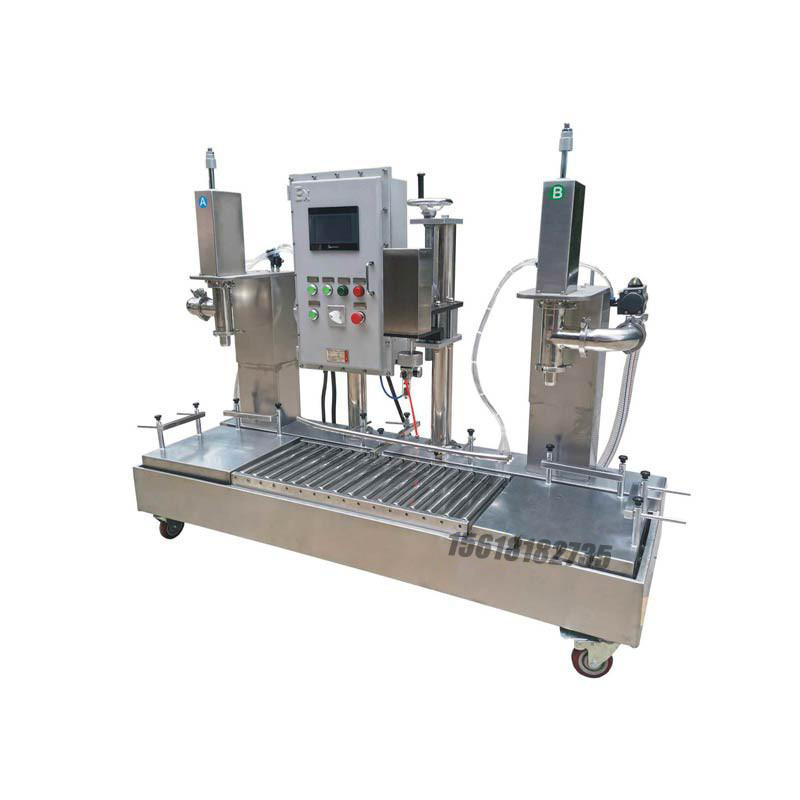
Meta Description: Learn professional filling machine material selection rules for corrosive liquids, acidic solutions, and daily chemicals. Compare stainless steel grades and accessory materials to extend machine lifespan.
Most industrial filling machine failures, short service life, leakage, and cross-contamination issues stem from incorrect structural material selection. Many factory buyers prioritize filling speed, price, and appearance while ignoring material compatibility with production materials, workshop humidity, and long-term operating environments. Ordinary low-grade filling equipment may work fine for neutral water and food liquids but fail rapidly when handling acidic, alkaline, salty, or solvent-containing products.
This Google SEO exclusive guide adopts a brand-new machine material matching and corrosion resistance perspective that has never been covered in previous articles. It does not repeat content such as troubleshooting, viscosity selection, IoT intelligence, energy saving, explosion-proof design, CIP hygiene, or production line integration. It focuses on stainless steel grade comparison, accessory material adaptation, corrosive material matching, and long-term durability optimization, providing professional purchasing and upgrading standards for global industrial manufacturers.
Why Filling Machine Material Compatibility Determines Long-Term Production Stability
The structural material of a filling machine is the fundamental guarantee of equipment durability, filling precision stability, and product safety. Industrial filling equipment runs in continuous contact with various liquid and paste materials, and internal pipeline and contact materials will undergo chemical reactions, oxidation, corrosion, and aging if mismatched.
Material mismatch causes multiple invisible production losses. Metal corrosion leads to pipeline rust, metal particle falling off, and product contamination, resulting in batch unqualified products. Aging and swelling of rubber seals cause liquid leakage, inaccurate metering, and frequent downtime replacement. Corroded pipeline inner walls produce rough attachments, breeding bacteria and making cleaning incomplete, failing hygiene audits. Severe structural corrosion will even deform mechanical parts, affect equipment operation accuracy, and greatly shorten machine service life.
For factories producing corrosive chemical liquids, acidic beverages, salty seasonings, and alkaline detergents, targeted filling machine material selection is more important than equipment functions and speed adjustments.
304 vs 316L Stainless Steel: Core Body Material Comparison
Stainless steel is the mainstream contact material for modern food, cosmetic, and pharmaceutical filling machines. 304 and 316L are the two most common grades, with huge differences in corrosion resistance, applicable scenarios, and service life.
304 Food-Grade Stainless Steel: As the basic sanitary material for filling equipment, 304 stainless steel features smooth surface, no rust, easy cleaning, and low cost. It has good oxidation resistance for neutral materials, including pure water, fruit juice, honey, cream, and daily skin care lotions. It is suitable for food-grade and ordinary daily chemical production workshops with low corrosion risks. Under standard production conditions, 304 filling machines maintain stable performance and meet conventional GMP hygiene requirements.
316L Medical-Grade Stainless Steel: Upgraded with molybdenum alloy elements, 316L stainless steel has far stronger acid resistance, alkali resistance, salt corrosion resistance, and solvent corrosion resistance than 304. It can stably adapt to acidic liquids, alkaline detergents, high-salt sauces, alcohol solvents, and mild chemical solutions. It resists pitting corrosion and high-temperature oxidation, supports frequent CIP chemical cleaning, and is the preferred material for high-standard pharmaceutical, biochemical, and corrosive material production lines.
Key Selection Rule: Choose 304 stainless steel for neutral non-corrosive materials to control costs. Upgrade to full 316L stainless steel for all pipelines, tanks, and contact parts if production involves acidity, alkalinity, salinity, or frequent chemical cleaning.
Seal & Nozzle Material Selection for Different Liquid Properties
Metal materials determine the overall frame durability, while non-metal seals, gaskets, and nozzle accessories directly affect filling tightness and precision. Different rubber and plastic materials have completely different resistance to temperature, corrosion, and aging.
Silicone (SI) Accessories: Safe, non-toxic, and high-temperature resistant, silicone seals are widely used in food and cosmetic filling. They feature soft texture, good sealing performance, and no residue adhesion, suitable for neutral liquids such as beverages, essential oils, and facial creams. However, silicone is not resistant to strong solvents and strong corrosive liquids, prone to swelling and deformation.
PTFE (Teflon) Accessories: PTFE is the most versatile corrosion-resistant sealing material. It resists acid, alkali, alcohol, solvent, and high-temperature erosion, with non-stick surface and excellent wear resistance. It is the best choice for chemical filling, acidic beverage filling, and high-temperature cleaning scenarios. It effectively solves seal swelling, leakage, and aging problems of corrosive material production.
Viton Fluororubber Accessories: With ultra-strong oil resistance, solvent resistance, and high-temperature resistance, fluororubber is suitable for high-viscosity oil products, essential oil solvents, and industrial oily liquids. It maintains stable elasticity and sealing performance in long-term high-temperature and oil-contacting environments, avoiding frequent replacement.
Material Matching Scheme for Common Industrial Filling Materials
Accurate one-to-one material matching can completely avoid corrosion failure and quality risks. Below are standardized matching solutions for mainstream industrial filling materials.
Neutral Food & Cosmetic Materials: Pure water, milk, honey, lotion, and plant essence. Recommended configuration: 304 stainless steel body + silicone seals. Balances hygiene, cost, and practicality, fully meeting daily flexible production needs.
Acidic Beverages & Fruit Juices: Lemon juice, carbonated drinks, and acidic fruit pulp. Recommended configuration: 316L stainless steel + PTFE seals. Prevents acid corrosion on metal surfaces and avoids seal aging and leakage.
Alkaline Daily Chemical Liquids: Liquid detergent, soap liquid, and alkaline cleaning agents. Recommended configuration: 316L stainless steel + enhanced PTFE gaskets. Resists alkali corrosion and ensures long-term stable sealing.
High-Salt Condiment Materials: Soy sauce, chili sauce, and brine seasonings. Recommended configuration: Full 316L stainless steel anti-salt corrosion structure. Avoids metal pitting and rust caused by high-salt medium erosion.
Solvent & Chemical Liquids: Alcohol solutions, disinfectants, and mild chemical solvents. Recommended configuration: 316L stainless steel + fluororubber/PTFE composite seals. Prevents solvent-induced seal swelling and pipeline corrosion.
Common Material Mismatch Failures & Hazards
Most long-term equipment degradation and product quality problems are caused by material mismatch rather than mechanical failure.
304 Steel for Acidic Liquids: Long-term contact with acidic juice and chemical solutions causes surface oxidation and pitting corrosion. Rust spots and metal impurities fall off, contaminating finished products and failing food safety inspections.
Silicone Seals for Solvent Materials: Organic solvents penetrate silicone materials, causing swelling, softening, and deformation. This leads to nozzle dripping, inaccurate filling volume, and frequent shutdown replacement.
Ordinary Plastic Pipelines for High-Temperature Materials: Low-grade plastic pipelines age rapidly under high-temperature production and CIP cleaning, producing plastic residues and causing secondary pollution.
Non-Hygienic Welded Structures: Rough welding gaps of low-quality stainless steel equipment accumulate material residues, breed bacteria, and cannot pass GMP and HACCP hygiene certification.


